Balls are the one pickleball expense that never ends. A paddle lasts for years, but a ball cracks, goes soft or gets lost in the bushes, and a busy club can go through dozens a month. If you play regularly, or you run a group, buying balls three at a time is an expensive habit. The price per ball drops sharply when you buy in tens, fifties and hundreds, and PickleballPH sells the two most common outdoor balls in all those pack sizes.
This guide compares the balls sold in the Philippines through PickleballPH on price per ball as well as on type, and explains which one to pick for outdoor, indoor, night and training use. It is a research guide based on the listings, not a hands-on test. My earlier guide to indoor and outdoor balls covers the basics of how balls differ, and this one adds the bulk numbers.
The two outdoor balls most clubs buy
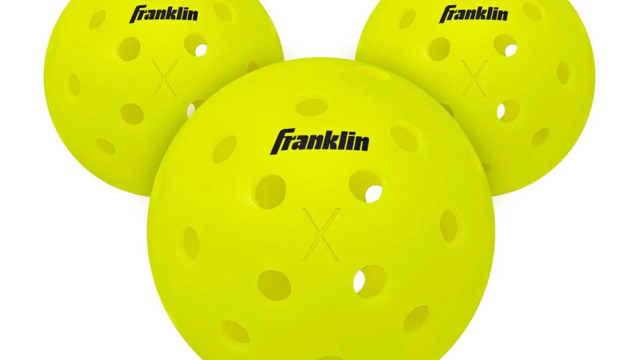
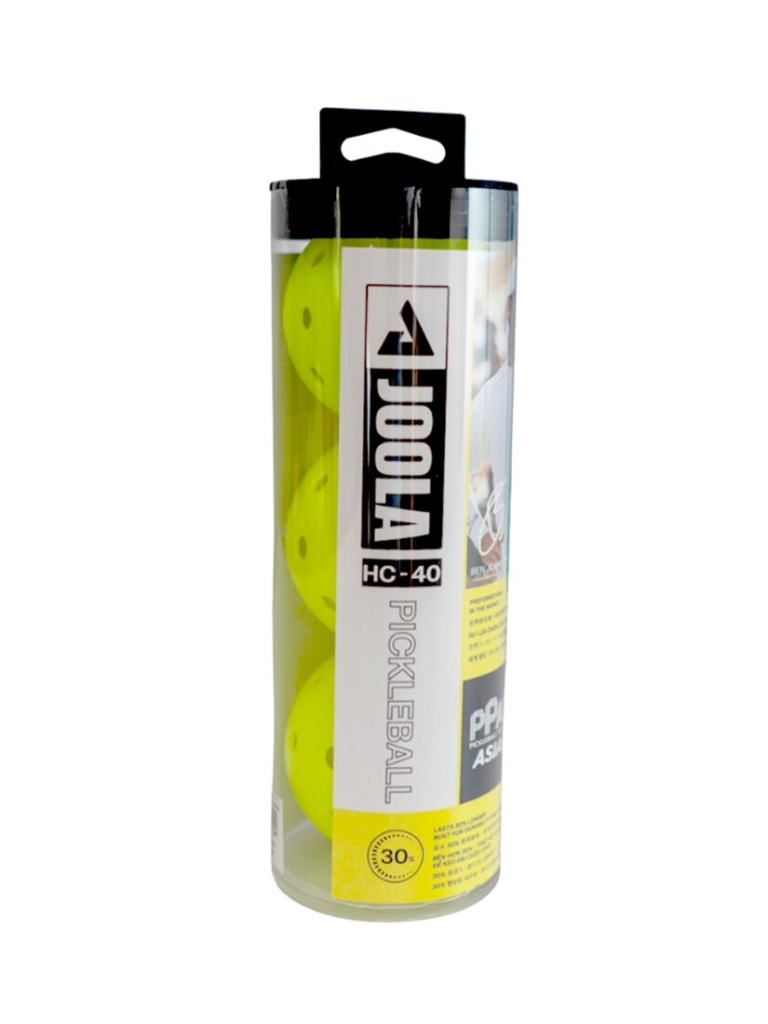
Two balls dominate the outdoor listings: the JOOLA HC-40 and the Franklin X-40. Both have 40 holes and are made for hard courts, and the prices are close enough that the pack size matters more than the brand. The HC-40 is described as a hard court ball for concrete, asphalt or tiled concrete floors, and JOOLA says it is not recommended for wood, acrylic or rubber courts. The X-40 is made of ultra-durable polyethylene in a neon color and is billed as the official ball of the US Open Pickleball Championships.
| Ball | Pack | Listed price | Price per ball |
|---|---|---|---|
| JOOLA HC-40 | 3 | ₱580 | ₱193 |
| JOOLA HC-40 | 10 | ₱1,500 | ₱150 |
| JOOLA HC-40 | 50 | ₱6,000 | ₱120 |
| JOOLA HC-40 | 100 | ₱11,000 | ₱110 |
| Franklin X-40 | 3 | ₱630 | ₱210 |
| Franklin X-40 | 10 | ₱1,700 | ₱170 |
| Franklin X-40 | 50 | ₱7,500 | ₱150 |
| Franklin X-40 | 100 | ₱14,000 | ₱140 |
The per-ball prices are my own division of the listed pack prices, and they are the peso prices at PickleballPH at the time of writing. The Franklin 50-pack was showing as sold out.
JOOLA HC-40: the cheaper ball
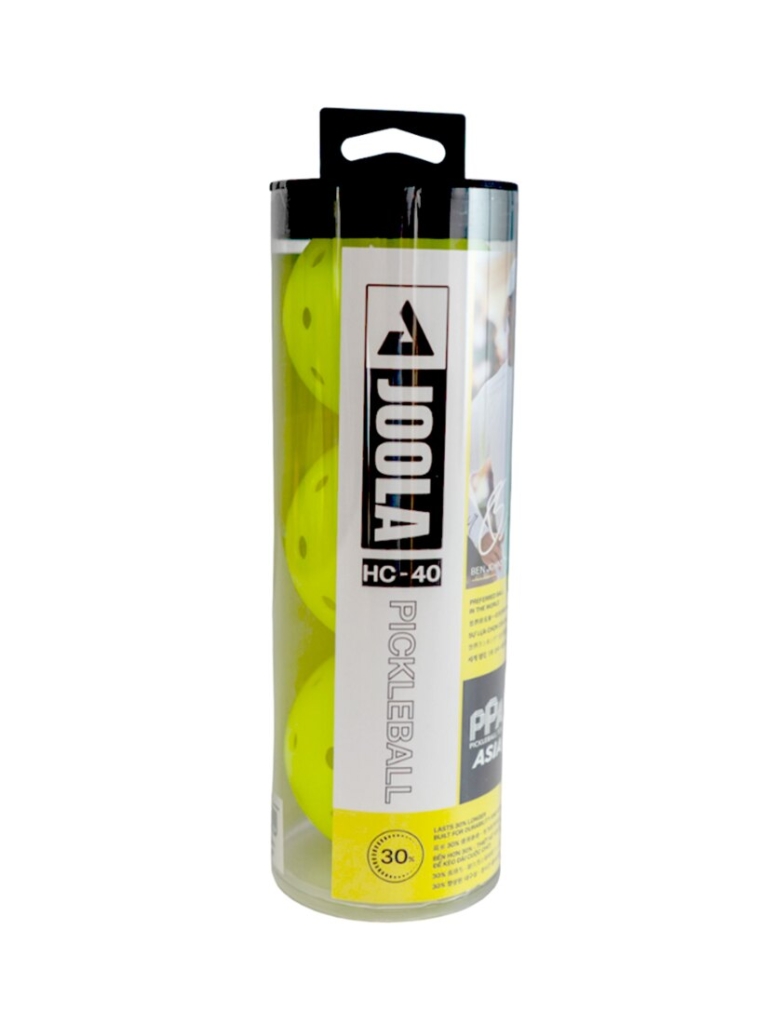
On price, the HC-40 wins at every pack size. A 100-pack costs ₱11,000, or ₱110 a ball, which is ₱30 less per ball than the Franklin 100-pack. At the 10-pack level the gap is ₱20 a ball, and for a group that plays three times a week and goes through a 10-pack in a month, that adds up quickly.
JOOLA says the HC-40 has a patent-pending hole placement pattern that ensures equidistant spacing for flight consistency, and a proprietary polymer blend for durability, shape retention and roundness. The listing says it is ideal for training, recreational play and tournament-level matches. The key condition is the surface: it is for hard courts, so if your court is wooden, acrylic or rubber, choose a different ball.
Franklin X-40: the benchmark ball
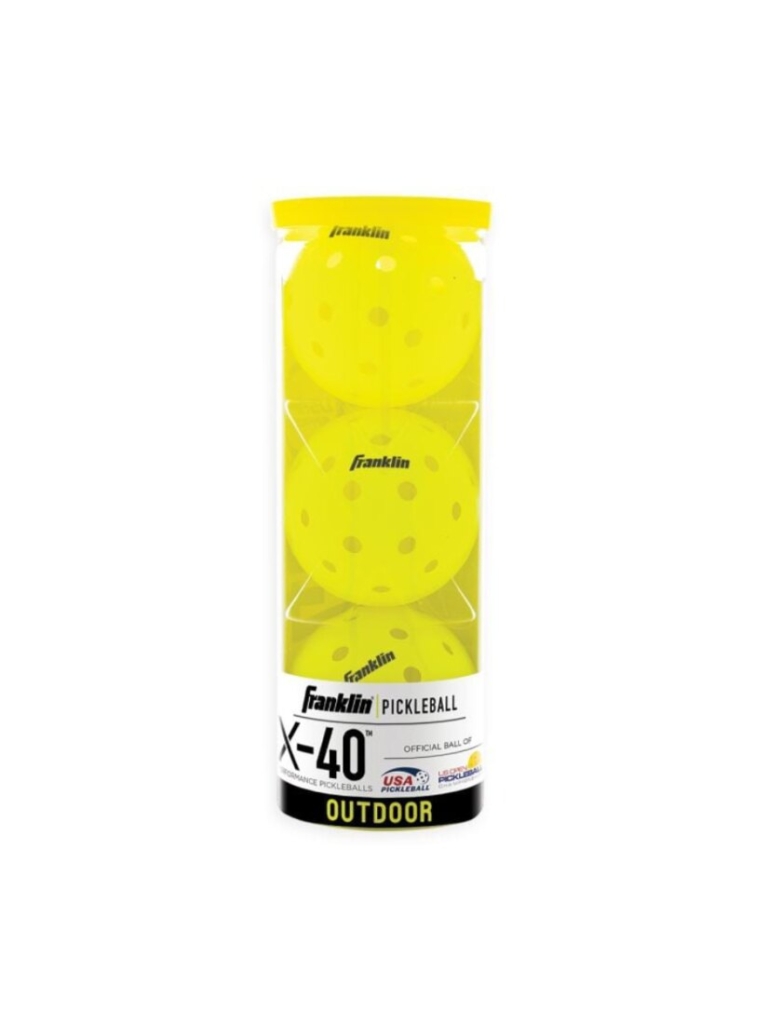
The Franklin X-40 costs more, and the main reason is reputation. Franklin calls it the official ball of the US Open Pickleball Championships, and its precision-drilled holes and polyethylene build are meant to give steady flight patterns and reliable spin. It meets USA Pickleball regulations for size and weight, and the neon color helps tracking.
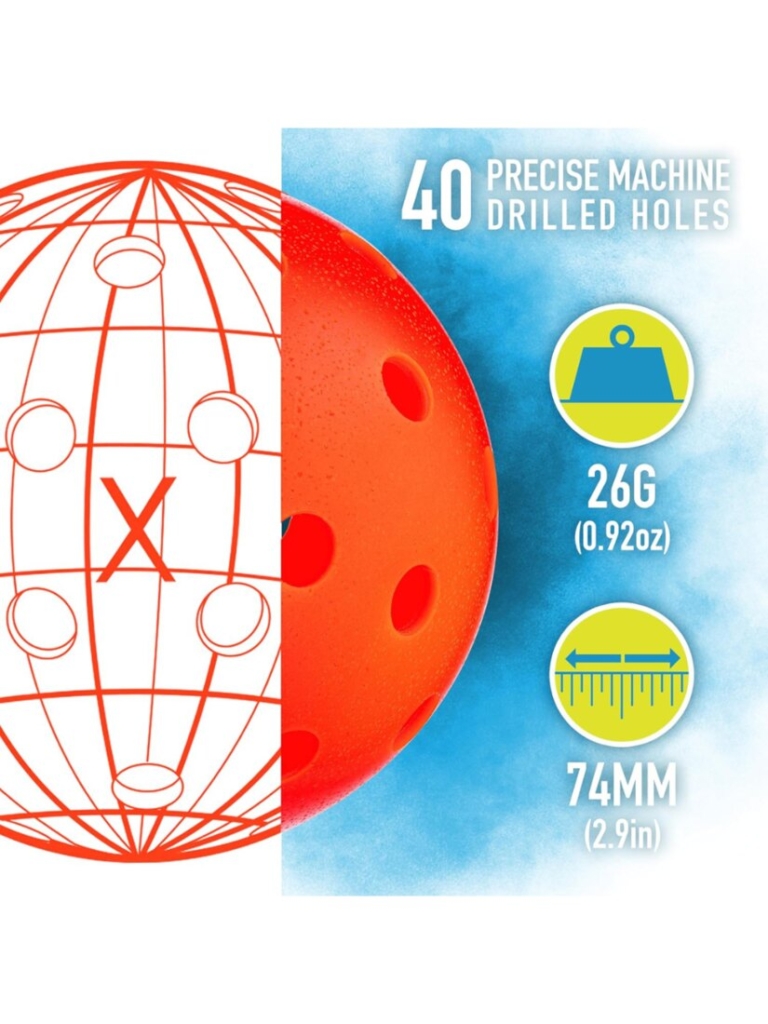
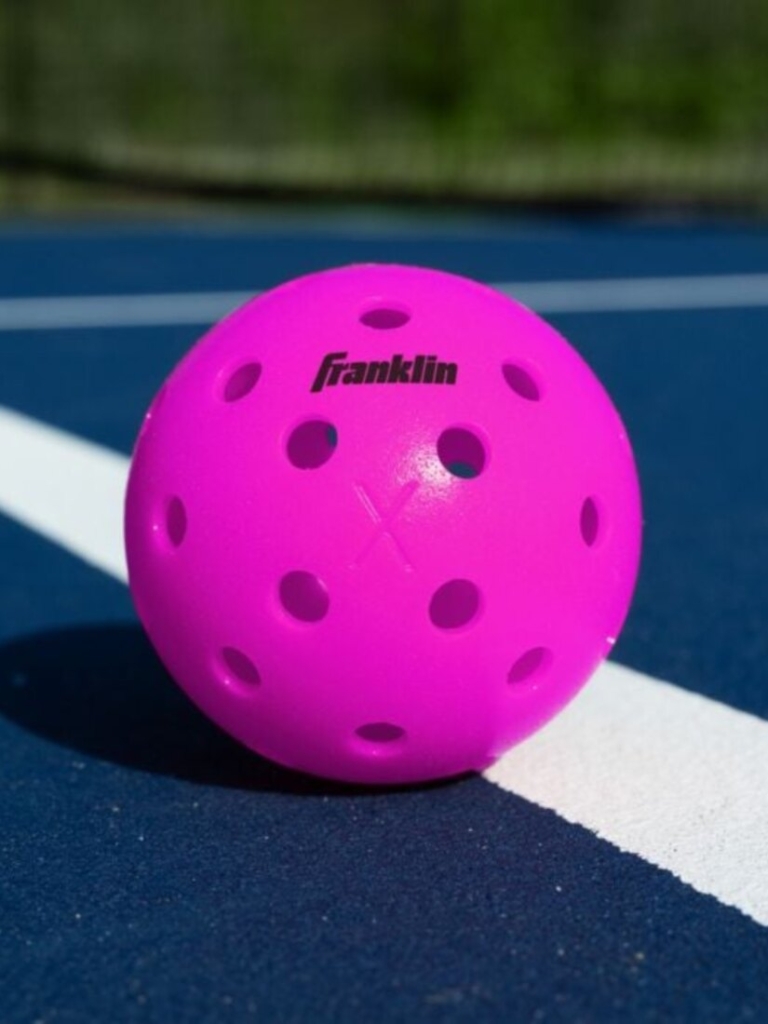
It comes in yellow, pink and red, and the pink and red are useful on courts where yellow blends into the background. If you play in a league or a tournament that uses X-40s, buying the same ball for practice is a good reason to pay the premium, because the bounce and the feel will match what you play with on match day.
CRBN C40: the durable one
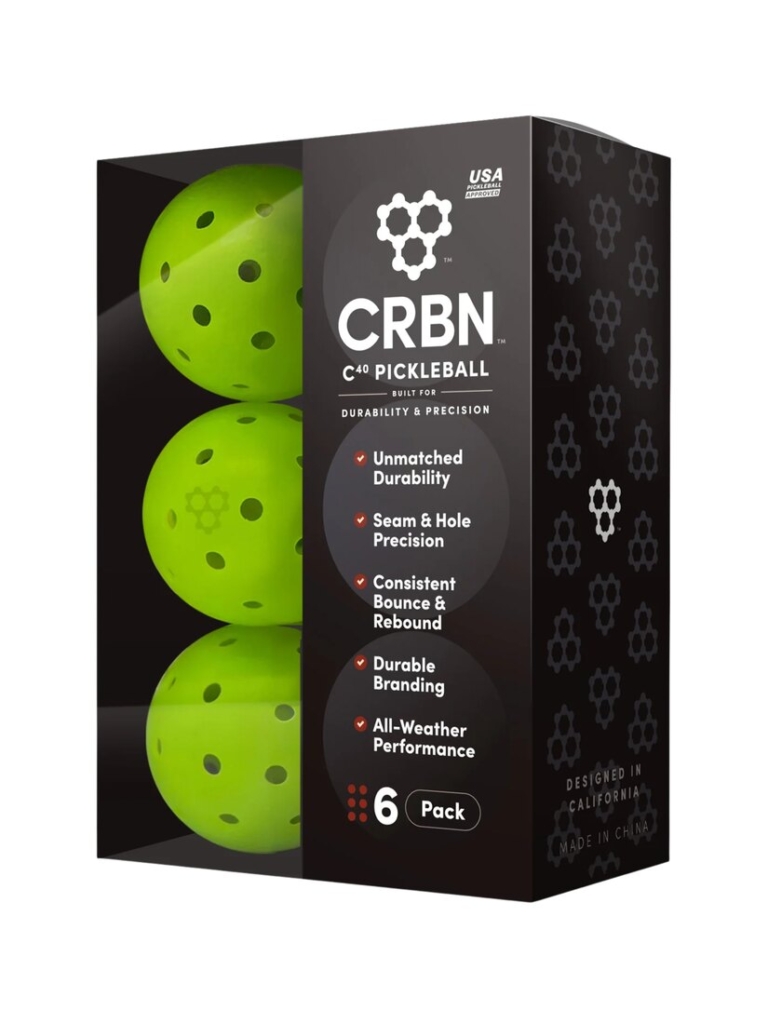
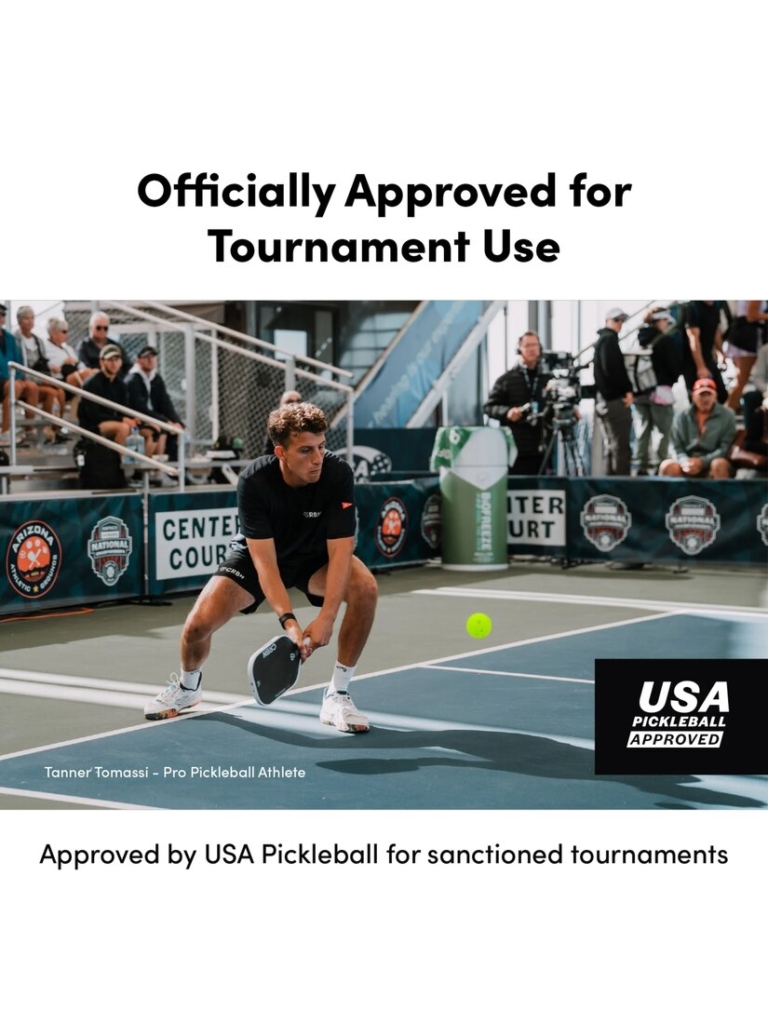
The CRBN C40 costs ₱1,220 for the box shown in the listing, which is a 6-pack, or roughly ₱203 per ball. CRBN says it has a 40-hole precision design for stable flight, is USA Pickleball approved and is stress-tested to resist cracking, designed to perform through 15 to 20 games in varying conditions. The all-weather claim is a selling point for hot courts and cooler mornings alike.
At that price per ball it costs more than either bulk option, so it is a ball for players who like CRBN, or who want a ball built to last. It was showing as sold out.
Indoor, night and training balls
Outdoor balls are not the right tool for every court, and PickleballPH lists four specialist balls, though all four were sold out when I checked.
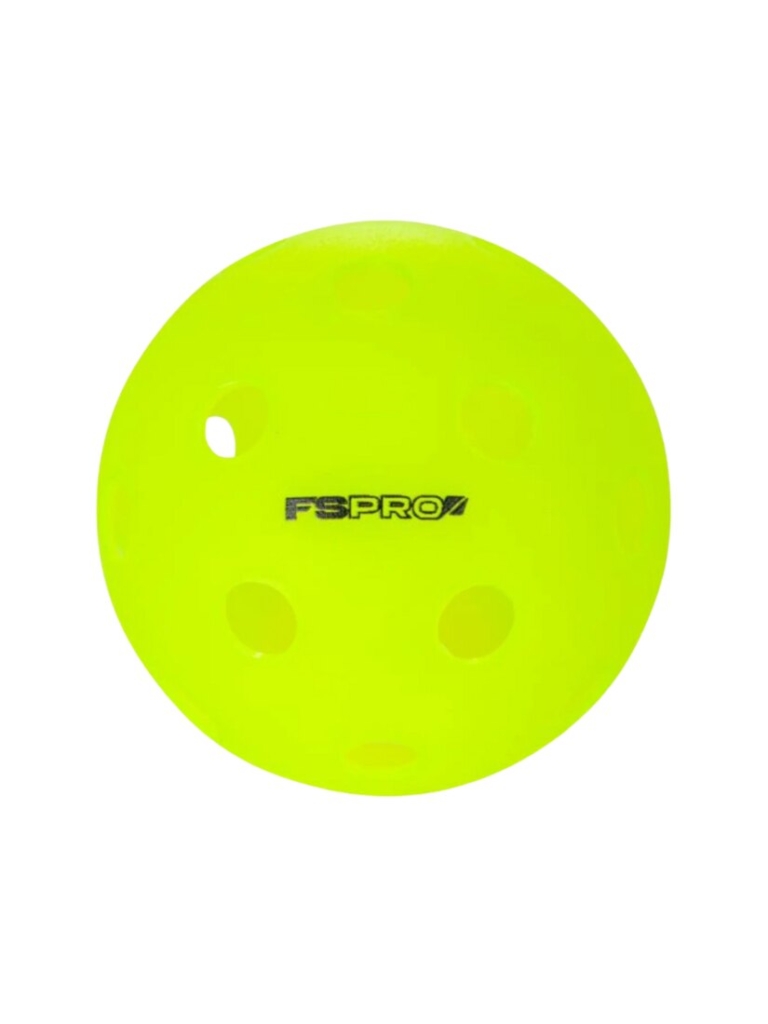
The Franklin FS Pro Indoor at ₱850 is built for hardwood gyms, rubber mats and sports halls. It has 26 precisely drilled holes, weighs 23.5 grams and measures 74mm, and Franklin says it is tuned to deliver a more controlled, accurate game indoors than an outdoor ball. It is inspired by the X-40, with a one-piece design for a consistent bounce.
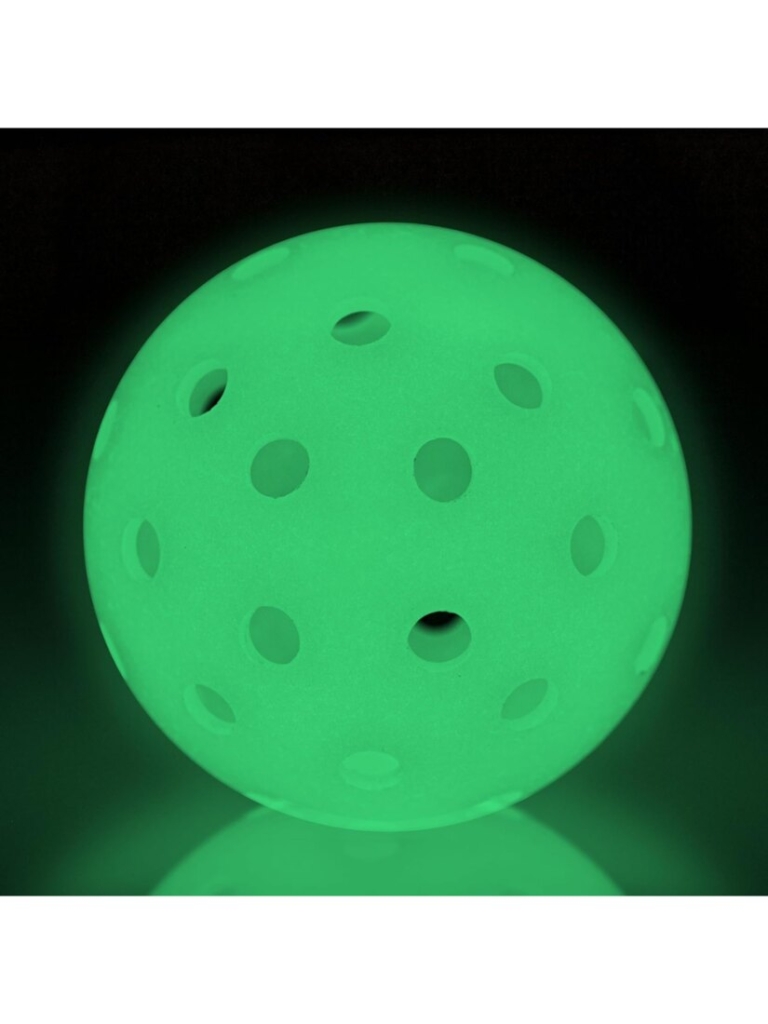
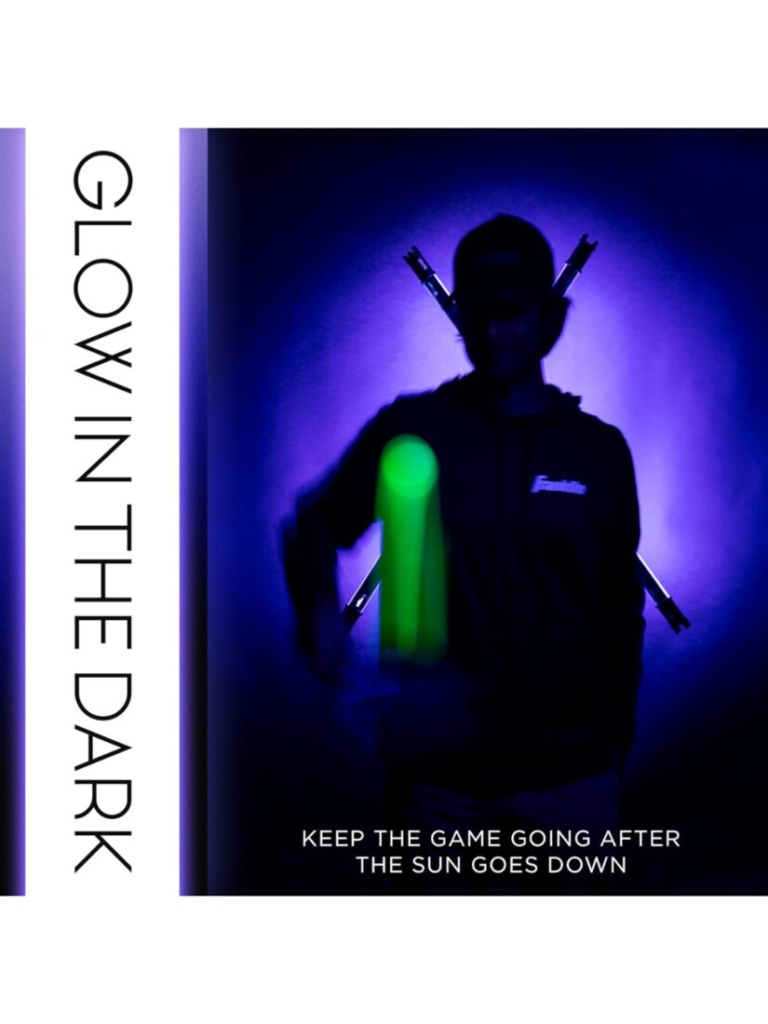
The Franklin Glow in the Dark balls at ₱750 are for night games. You charge them under direct light for about 15 minutes and they glow once the lights go out. They weigh 26.2 grams, use the same construction as the X-40 and are not regulated for competitive or tournament play. They are a fun addition for evening sessions, but they are not a replacement for your normal ball.
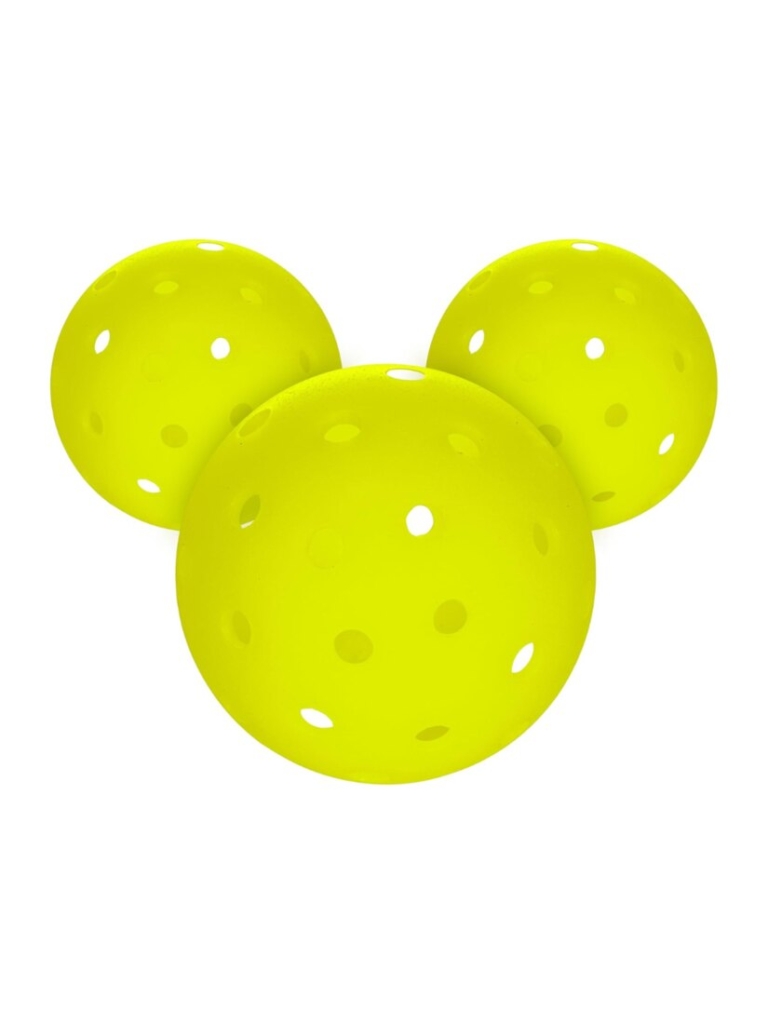
The Franklin Training Pickleballs at ₱660 are 69mm, smaller than the 74mm standard, and weigh 22 grams. The smaller size gives a faster flight that is less affected by wind, and the listing says they help with hand-eye coordination and shot-making. There are three balls per pack, and they are not USAPA approved for tournament play, so use them for drills only.
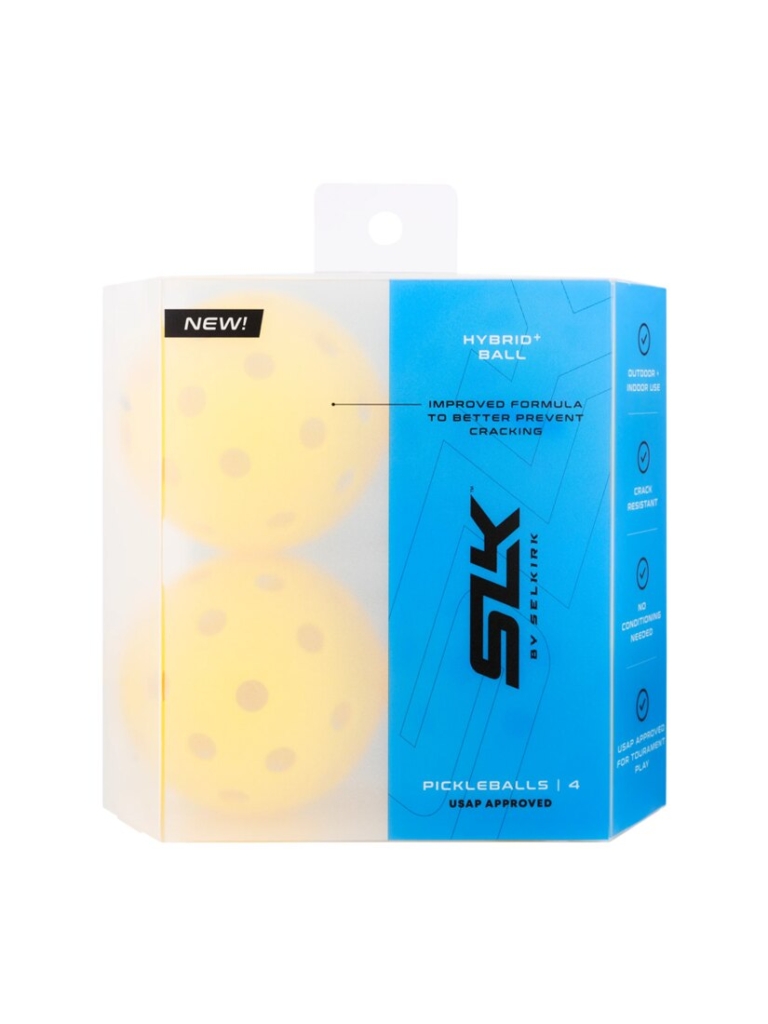
The Selkirk SLK Hybrid+ at ₱600 is for both indoor and outdoor play. It averages 0.88 ounces, measures 2.85 inches and has 40 holes. Selkirk pitches it for beginners and pickleball programs, with an updated molding process for crack resistance and a design that keeps rallies going longer. If you play on both indoor and outdoor courts, it saves you carrying two types of ball.
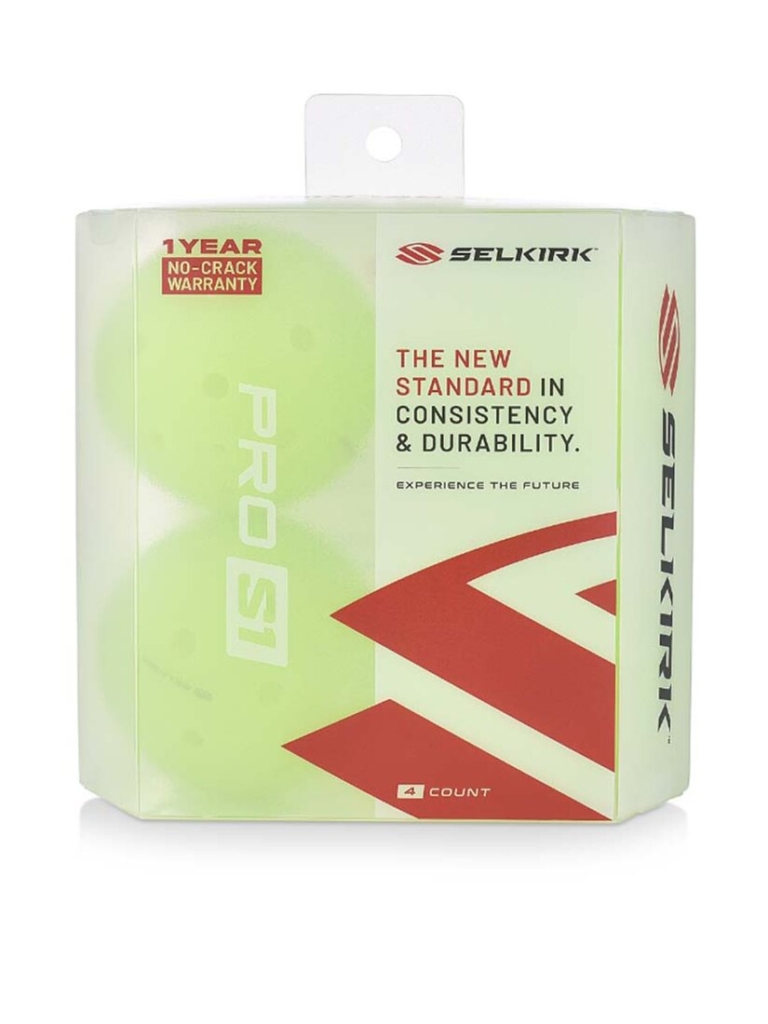
The Selkirk Pro S1 at ₱900 is a premium option with a patented design and seamless rotomolded construction, and Selkirk says it comes with a one-year no-crack warranty. It was sold in a four-ball pack.
Matching the ball to the court
The surface matters more than the brand. JOOLA’s own listing warns that the HC-40 is for concrete, asphalt or tiled concrete and is not recommended for wood, acrylic or rubber courts. Many Philippine courts are hard concrete or sport court, so an outdoor ball is a safe default, but covered gyms with wooden or rubber floors are common too, and an outdoor ball on those floors will bounce harder and break sooner. If you play on more than one kind of surface, the Selkirk Hybrid+ is the one ball in this guide marketed for both.
Colors and visibility
Neon yellow is the default, but it is not always the best choice. On a green court or in bright sunlight, a pink or red ball can be easier to follow, and the Franklin X-40 comes in yellow, pink and red. In a covered gym with white walls, yellow is usually fine. If you play with players who have trouble tracking the ball, a different color is a free fix.
A club budget example
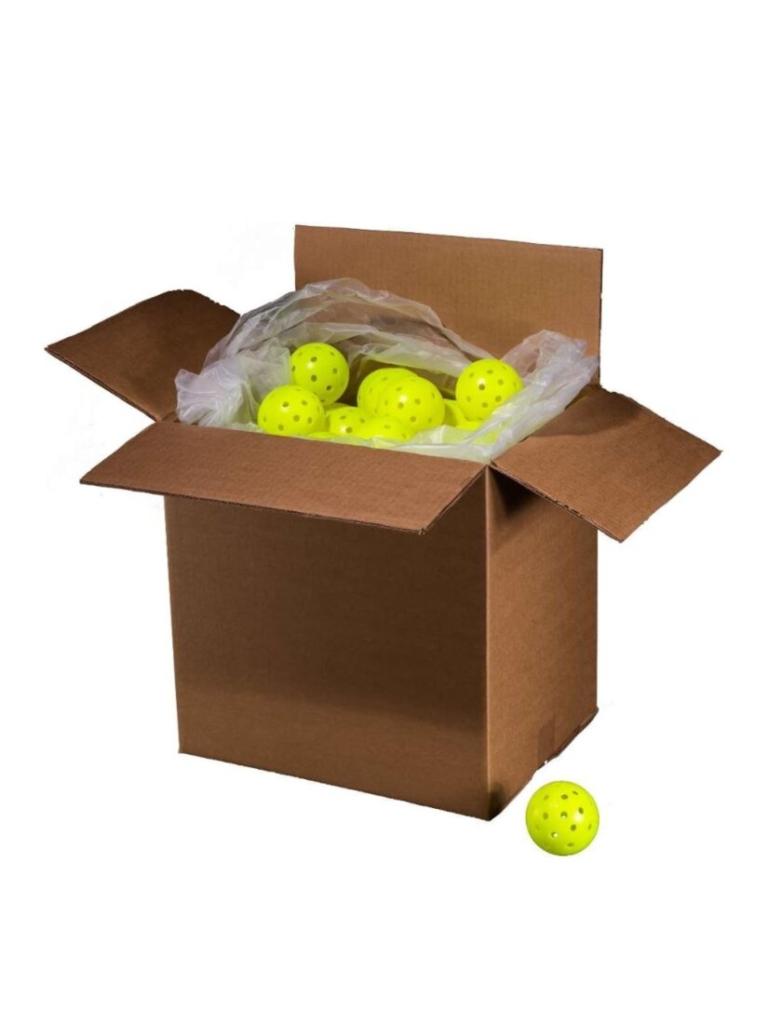
Say a club of twenty players meets three times a week and goes through about ten balls a week between cracks, losses and wear. That is about 500 balls a year. Buying them in 10-packs of JOOLA HC-40 at ₱150 each would cost ₱75,000 a year. Buying in 100-packs at ₱110 each would cost ₱55,000, which is a saving of ₱20,000. Split twenty ways, that is ₱1,000 a player a year, compared with ₱1,375 a player when bought in 10-packs. Those are my estimates built on the listed prices, and your usage will differ, but the point holds: the bigger pack saves real money if you have the storage and the cash up front.
Why balls crack
Most cracks come from three causes. Heat softens the plastic and makes it brittle, so a ball left in a hot car is more likely to split. Hard hits on the edge of a paddle or on the net post stress the ball unevenly. And age matters, since even an unused ball slowly stiffens. CRBN says its C40 is stress-tested to resist cracking and is designed to last through 15 to 20 games, and Selkirk offers a one-year no-crack warranty on the Pro S1, which tells you how seriously manufacturers take it. Treat any warranty as a bonus, and keep the receipt.
How many balls do you need
- Casual group of four: a 10-pack lasts a few weeks.
- Regular players, three sessions a week: a 50-pack is a better value and keeps you from running out.
- A club or school program: a 100-pack, because you will have lost a few and cracked a few.
- A coach running drills: a 50 or 100-pack, plus a ball hopper.
- Someone who only plays now and then: a 3-pack is enough.
Keeping balls in good shape
Balls last longer if you look after them. Retire a ball when it has a visible crack, a flat spot or a soft feel, because it will not bounce true and can make a good paddle feel dead. Store them away from direct sun and heat, since polymer balls warp in a hot car. Rotate balls through your sessions so that no single ball gets all the wear, and mark practice balls so they do not end up in a match.
A ball hopper makes picking up balls much easier, and my guide to nets covers what you need to set up a practice court.
Buying safely
Counterfeit balls exist, and a fake can have uneven holes and wrong weight. Buy from an official retailer or a Shopee Mall store, and check that the packaging matches the brand’s official look. The prices in this guide give you a baseline: a bulk pack priced far below it should make you suspicious.
My picks
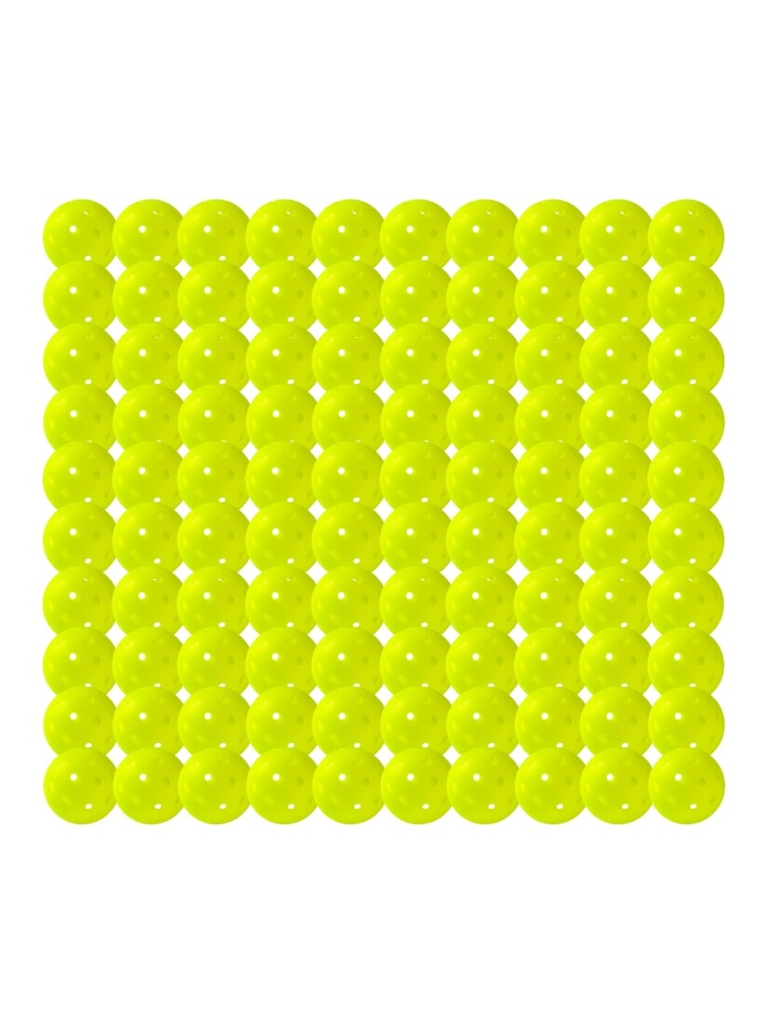
- Best value outdoor: JOOLA HC-40 100-pack (₱11,000, ₱110 each).
- Best benchmark ball: Franklin X-40 (₱140 to ₱210 each, depending on pack size).
- Best for durability: CRBN C40 (₱1,220 for the box).
- Best indoor: Franklin FS Pro Indoor (₱850).
- Best for both indoor and outdoor: Selkirk SLK Hybrid+ (₱600).
Whichever ball you choose, buy a size that matches how often you play, and do not buy a hundred balls just because the per-ball price looks good if you will only use ten.