Most players get better by playing more matches, which is also the slowest way to improve. In a match you hit each shot a handful of times, you never practice the shot you are bad at on purpose, and every mistake costs a point. Training aids let you do the opposite: repeat a single skill dozens of times, in a setting where a mistake costs nothing. The market for them is small in the Philippines, but PickleballPH stocks a few that are worth knowing.
This guide covers six training tools: a trainer paddle, a set of counterweight coins, a practice net, smaller training balls, a ball hopper and a court-printed trainer paddle set, from ₱660 to ₱9,480. It is a research guide based on the listings, not a hands-on test, and the benefits described are the brands’ claims. Most of these were out of stock when I checked.
What training aids can and cannot do
A training aid does one job: it makes a skill harder, easier or more repeatable. A smaller paddle makes you hit the center. A smaller ball makes you track the ball better. A practice net lets you work on dinks at home. None of them replaces a coach, and none of them fixes a bad grip or footwork on its own. Used for ten or fifteen minutes before a session, they are cheap and effective. Used instead of playing, they are a waste of money.
| Aid | What it trains | Listed price | In stock |
|---|---|---|---|
| Franklin Sweet Spot Trainer Paddle | Contact on the sweet spot | ₱3,550 | No |
| CRBN Counter Coins | Paddle balance and swing speed | ₱1,100 | No |
| JOOLA Compact Practice Net | Dinks and short game at home | ₱3,950 | No |
| Franklin 69mm Training Pickleballs | Tracking and hand-eye coordination | ₱660 | No |
| CRBN Ball Hopper | Efficient solo and group drills | ₱9,100 | No |
| JOOLA Pickleball Trainer Set | Court positioning for beginners | ₱9,480 | No |
Prices are the peso prices listed at PickleballPH at the time of writing, and all six were showing as sold out.
Franklin Sweet Spot Trainer: the mini paddle
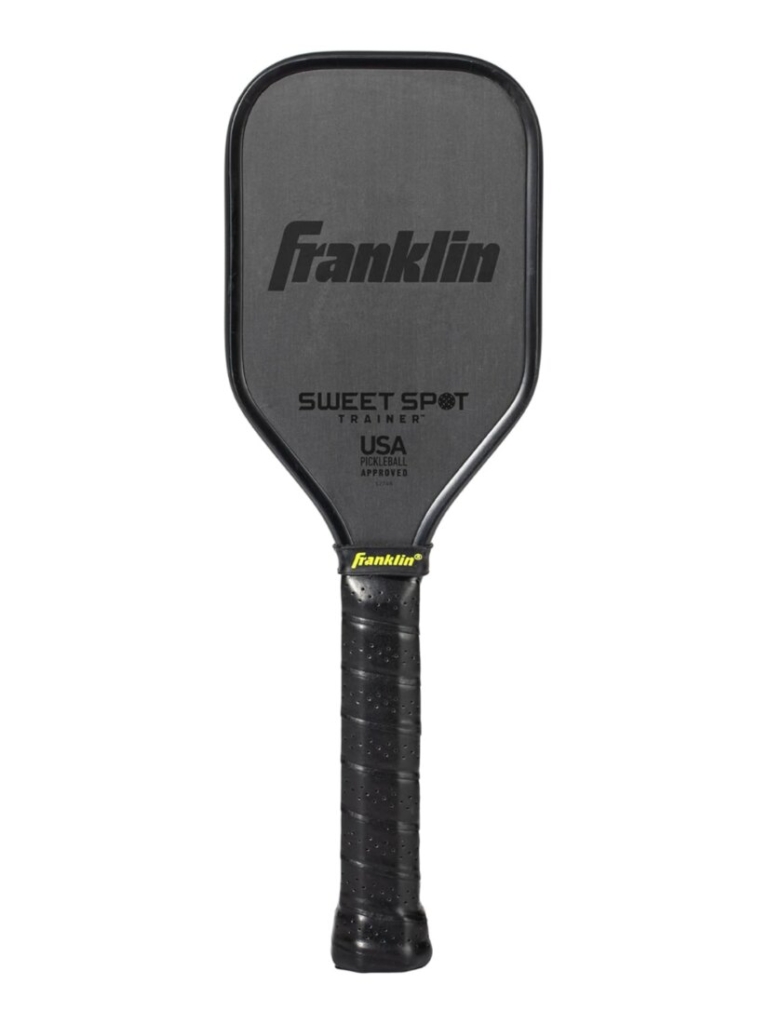
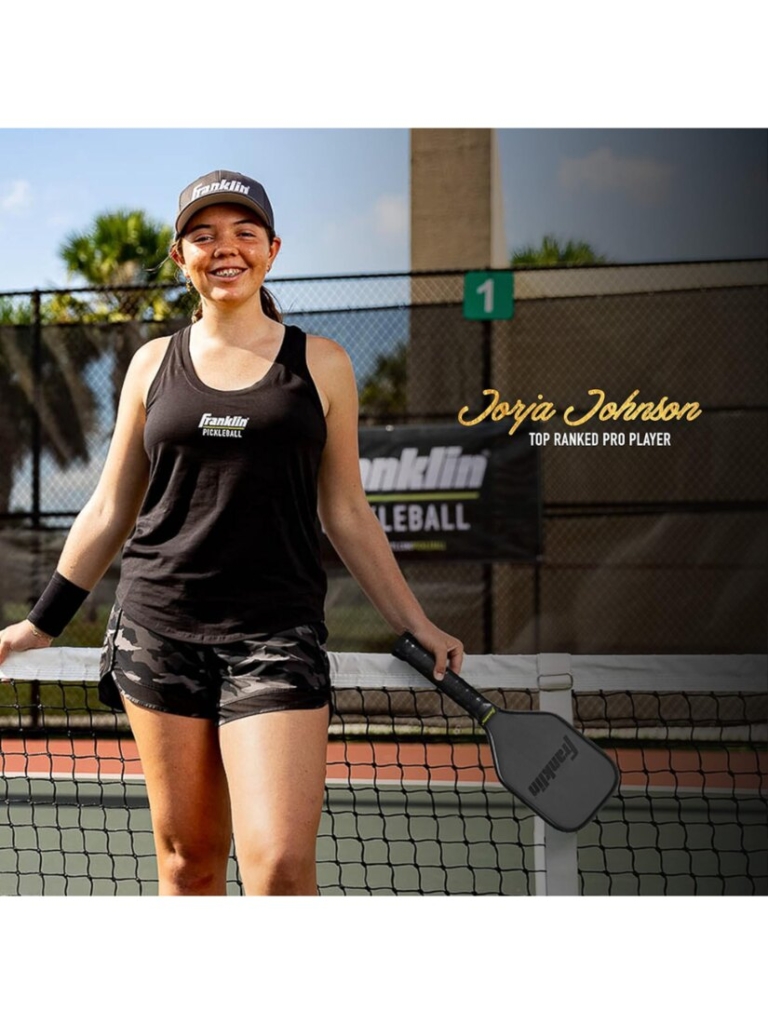
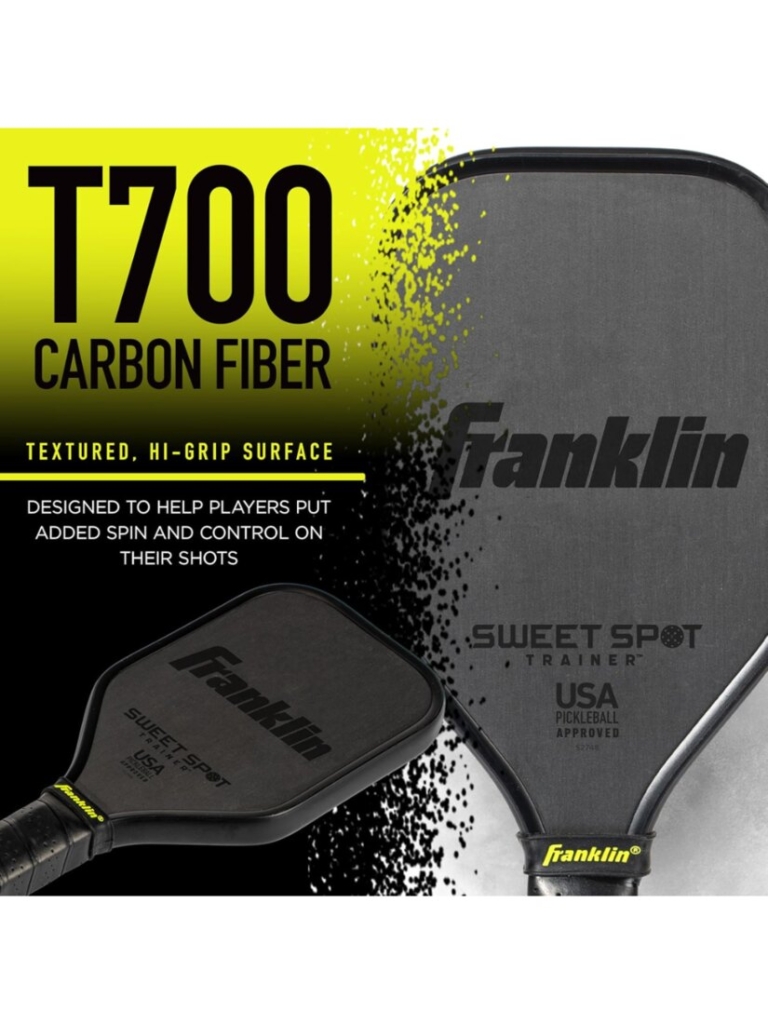
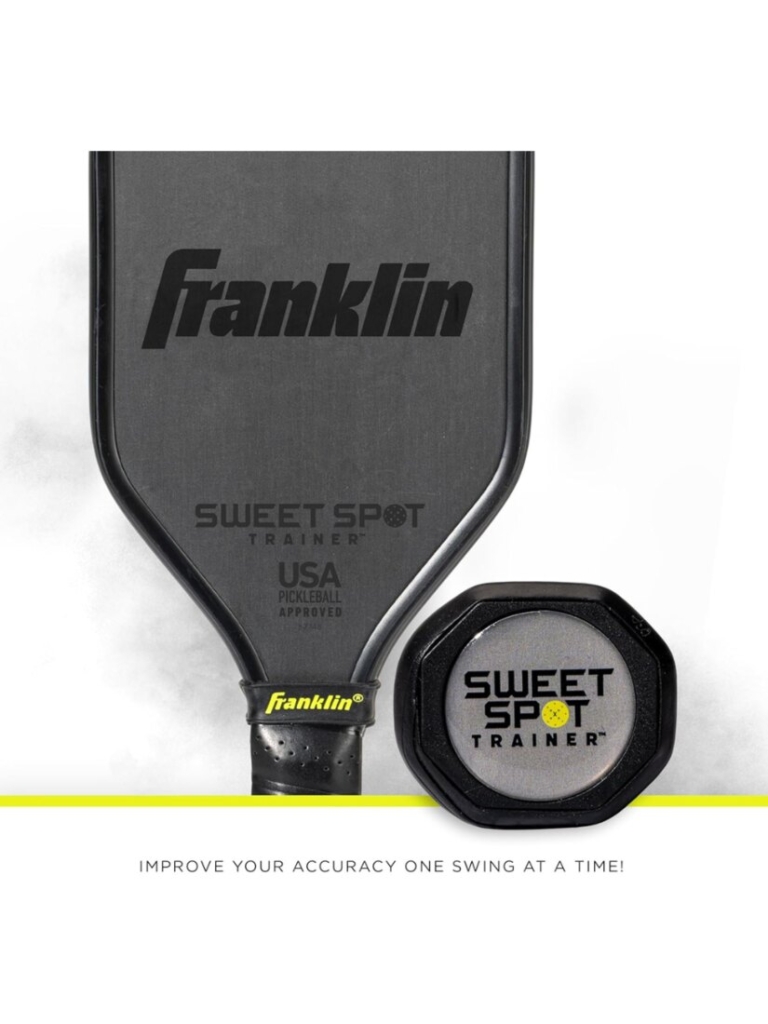
The Sweet Spot Trainer, at ₱3,550, is a paddle with a head the size of a normal paddle’s sweet spot. The idea is simple: if the head is only 15 inches long and 5.1 inches wide, you cannot get away with off-center hits, so you learn to hit the middle every time. Franklin says it has a T700 carbon fiber face for spin and control, a 16mm polypropylene honeycomb core that mimics a high-end paddle’s feel, and an elongated 7.3-inch handle for two-handed shots.
It weighs 7.5 to 7.8 ounces and has a 4.25-inch cushion grip. The listing recommends it for players of all levels, and it is a good tool for anyone who mishits often. Hit a hundred dinks and drives with it before a session, then pick up your normal paddle and notice how large the sweet spot feels.
CRBN Counter Coins: tune the balance
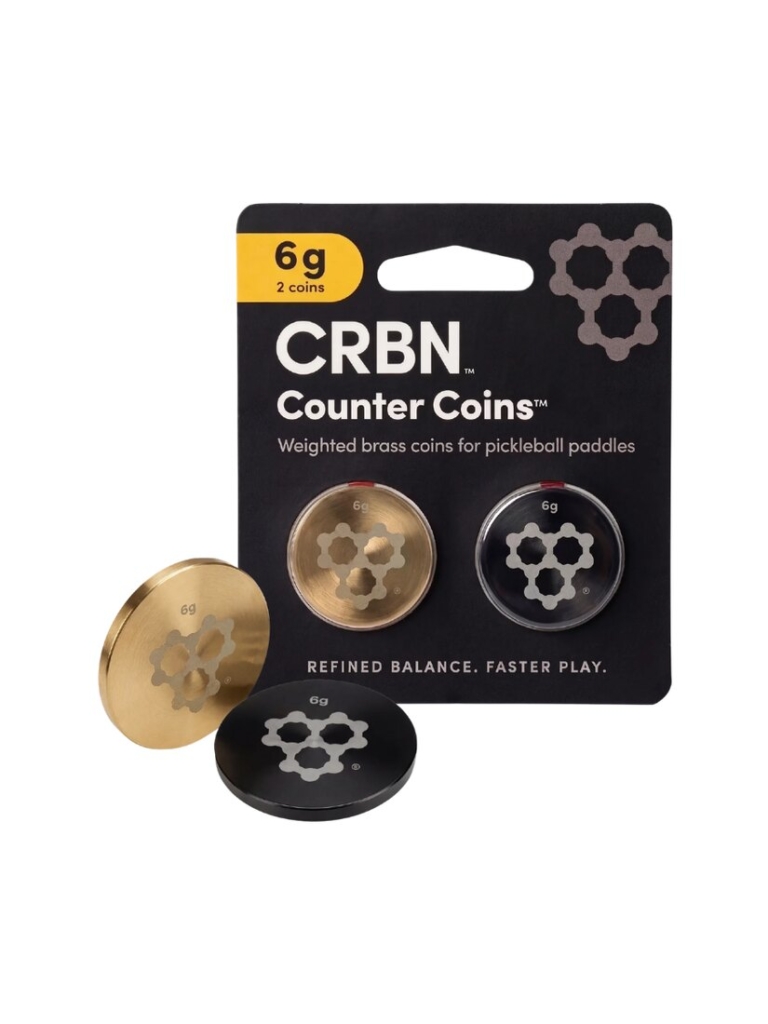
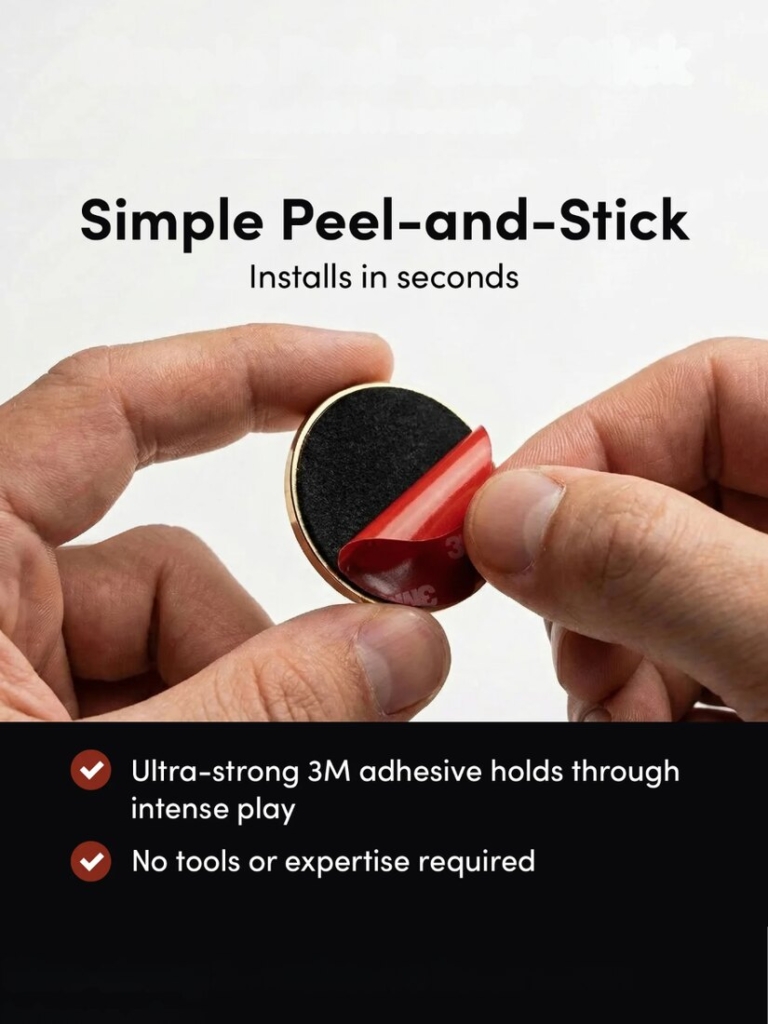
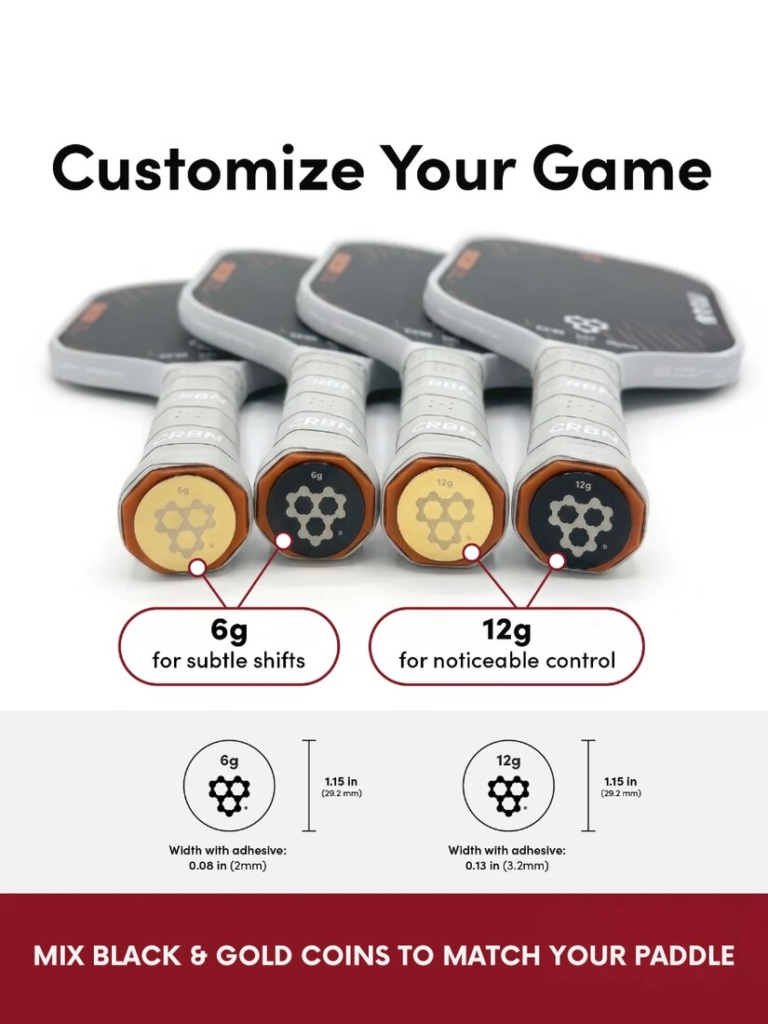
Counter Coins at ₱1,100 are brass weights that stick to the butt cap of your paddle. The idea is counterbalance: adding weight at the handle end moves the balance point toward your hand, which CRBN says improves maneuverability and stability, reduces the head-heavy feel and speeds up swing speed in hand battles. They come in two sizes: a 6-gram pack for subtle adjustments and a 12-gram pack for a stronger effect, with two coins in each pack, one black and one gold, and a 3M adhesive backing.
It is a training tool in the sense that it lets you change how your paddle swings without buying a new one, and trying it out teaches you what balance does. The adhesive is described as permanent, so be sure before you stick it on.
JOOLA Compact Practice Net: dinks at home
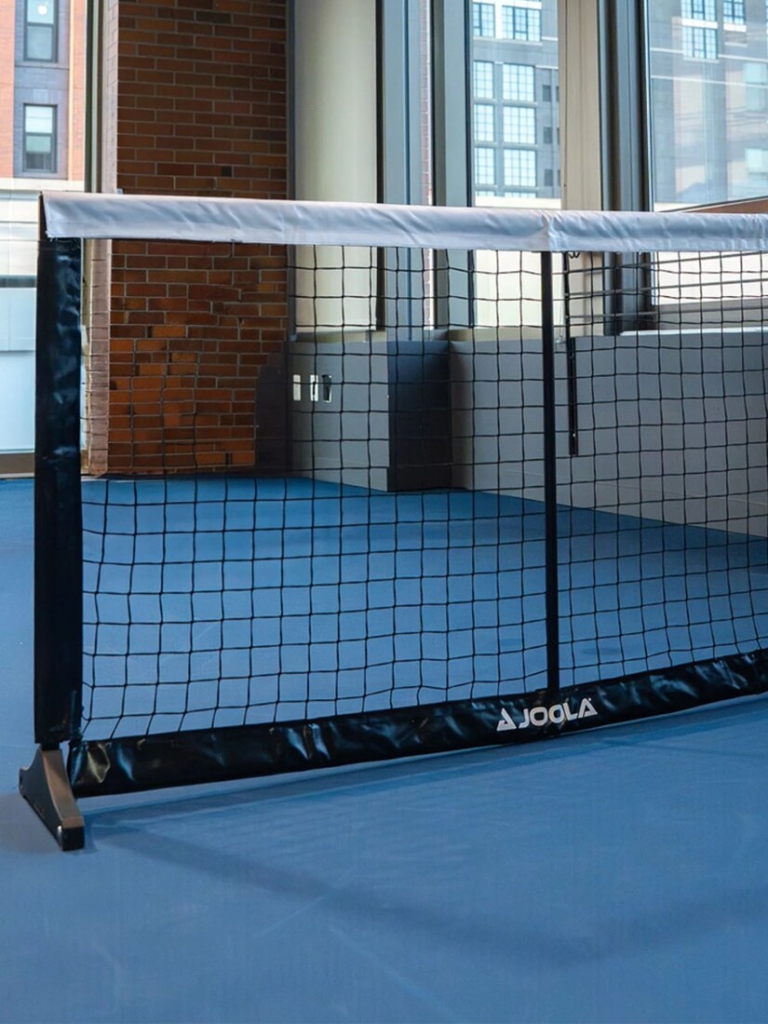
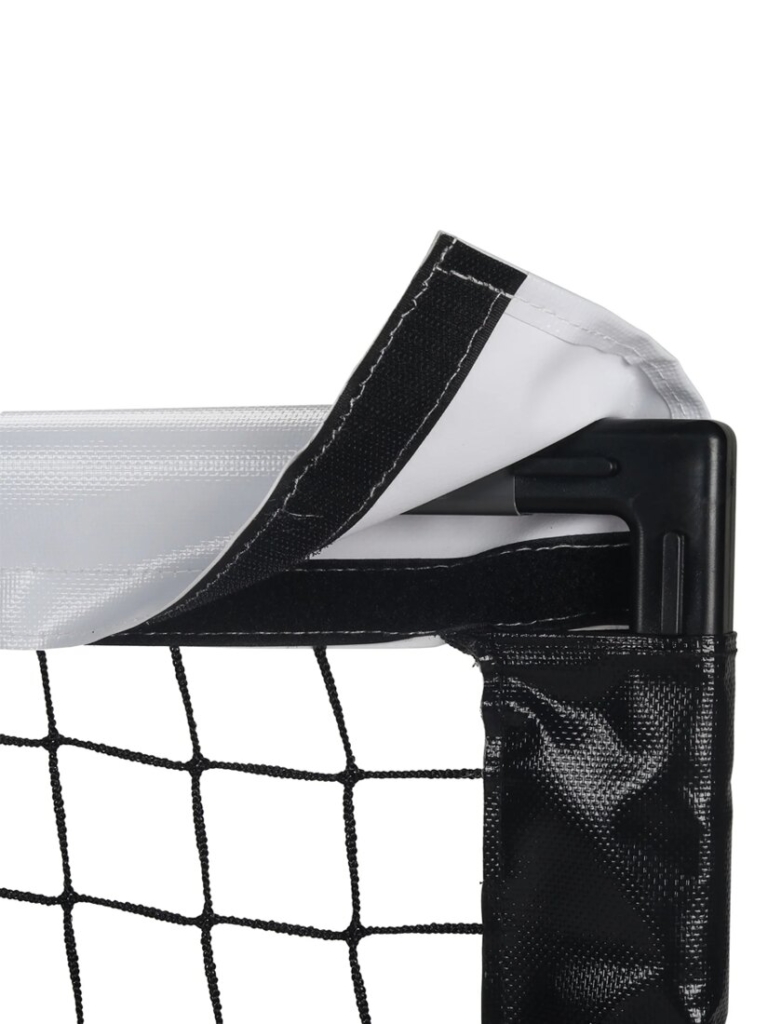
The Compact Practice Net at ₱3,950 is 5.5 feet wide and 36 inches tall, which is regulation height, and it is lightweight and portable for quick setup at home, in a driveway or on the go. A built-in magnet at the base lets you connect more than one net for a wider practice area. I covered it in my net guide as the practice option.
It is the right tool for dinks, drops and short-game drills, and for solo practice against a wall. If you have a driveway or a quiet courtyard and a partner, you can practice the shots that win rallies without booking a court.
Franklin Training Pickleballs: a smaller target
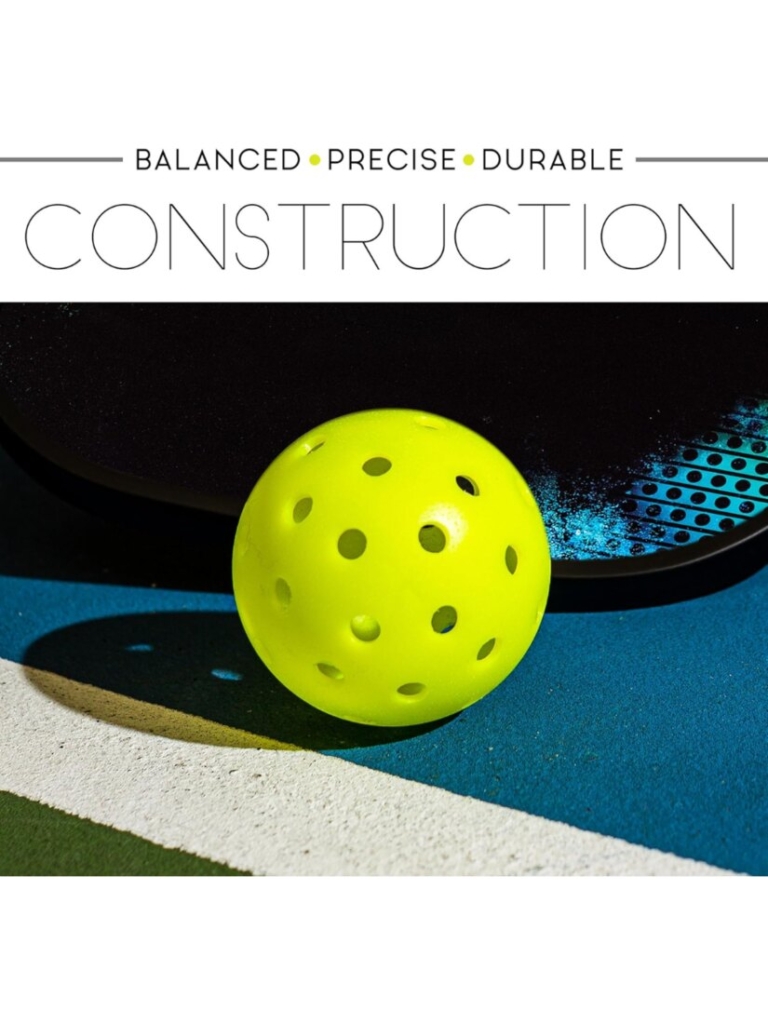
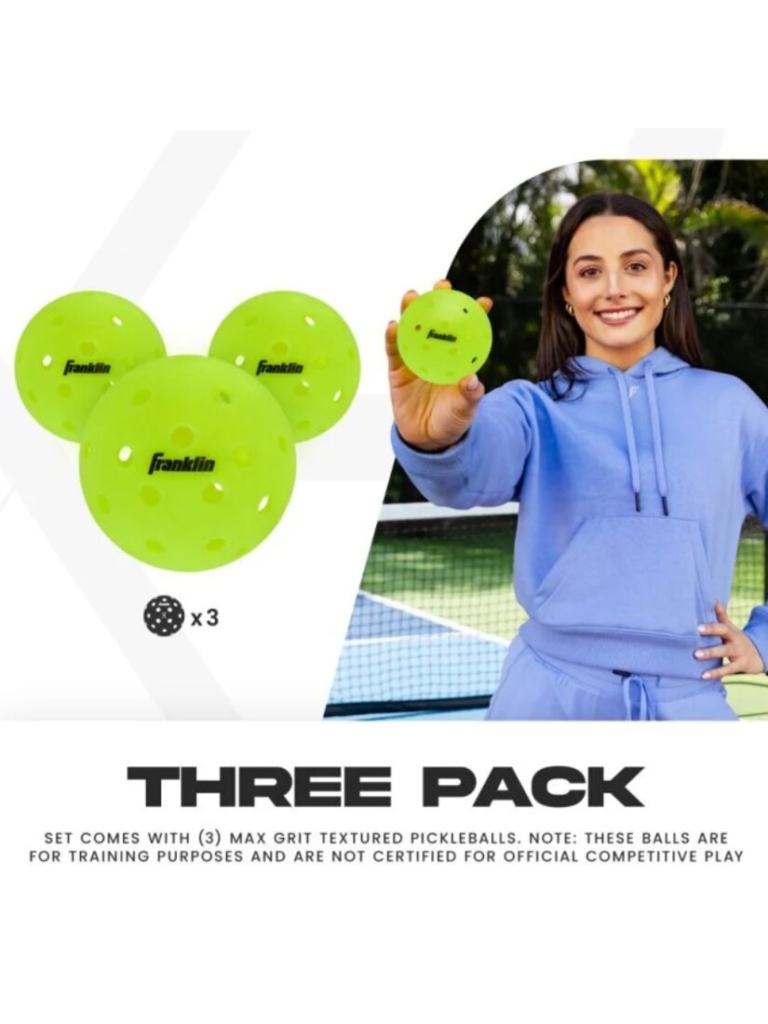
The Franklin Training Pickleballs, at ₱660 for three, are 69mm, which is 5mm smaller than a standard ball, and weigh 22 grams. The listing says the smaller diameter gives a faster flight that is less affected by wind, and the balls help players refine shot-making and improve hand-eye coordination. They have 40 precision-drilled holes, bright optic yellow color and a seamless ultra-durable design.
The balls are not approved for tournament play, so they are for drills only. The theory is the same as the sweet spot trainer: if you can hit a smaller ball cleanly, a regulation ball feels easier. Use them for ten minutes and then switch to a standard ball.
CRBN Ball Hopper: practice without bending
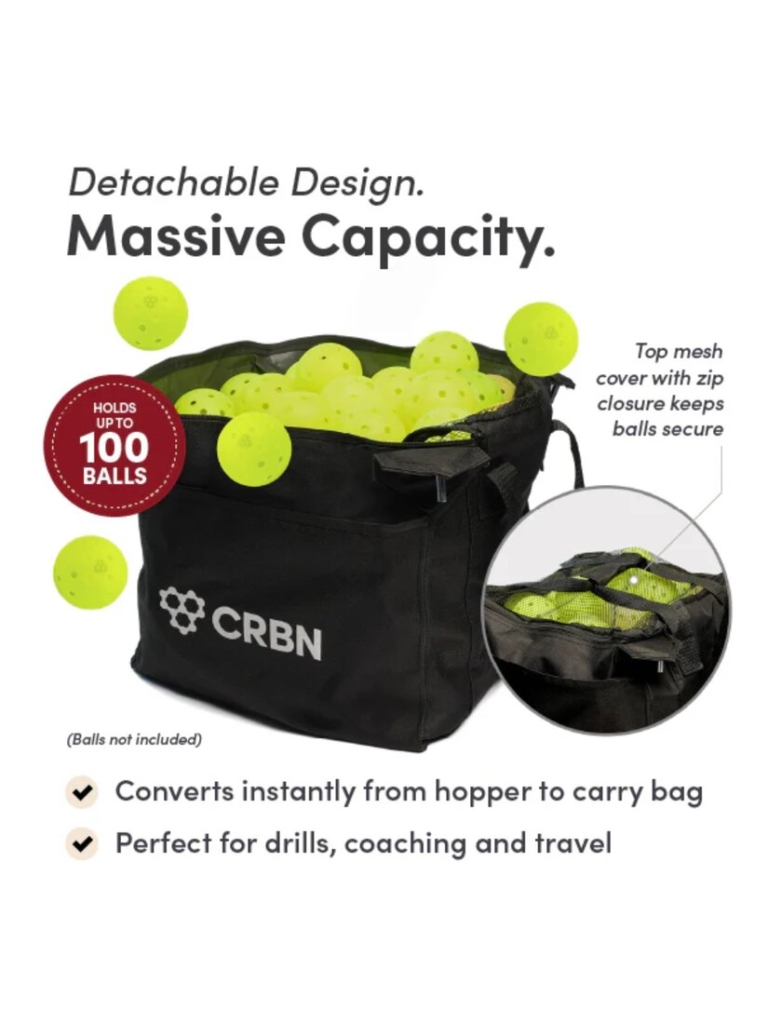
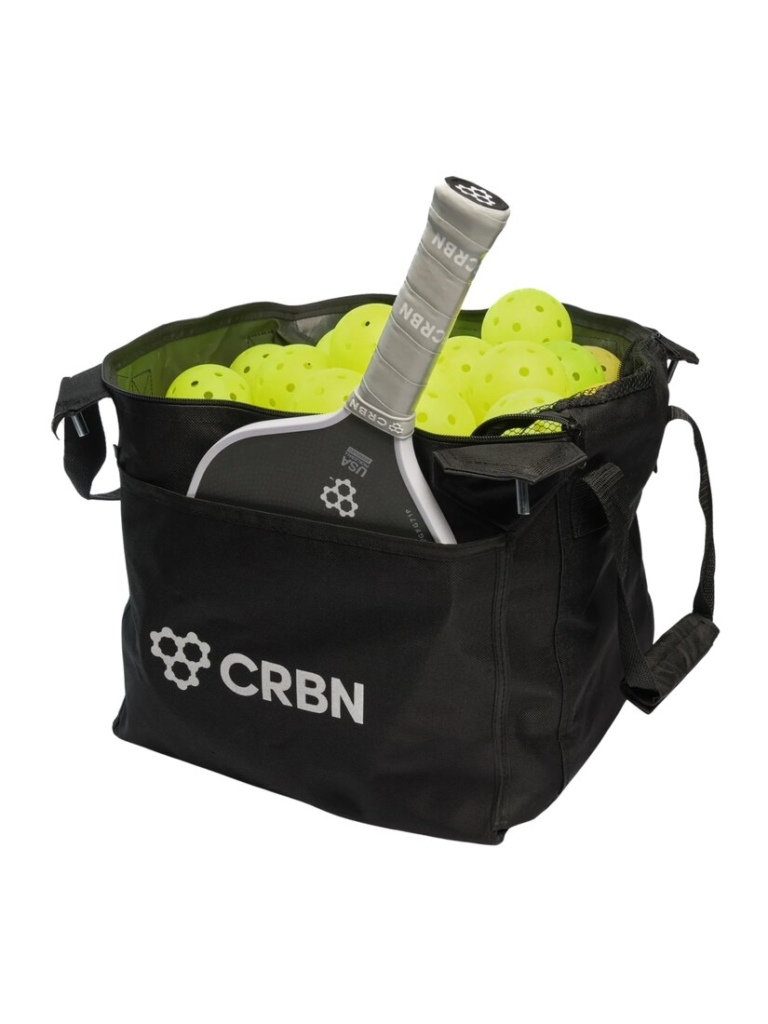
A hopper makes drills efficient. The CRBN Ball Hopper at ₱9,100 holds up to 100 pickleballs at waist height, so you can feed balls to a partner or yourself without bending, with a built-in paddle sleeve and a zipper pocket. It weighs 6.6 pounds, collapses for storage and has 360-degree rotating caster wheels. I covered it in the ball machine guide as the accessory for manual feeding.
If you are going to run drills with a coach or a partner, a hopper keeps the session moving. Without it, half of your practice time is spent picking balls up.
JOOLA Pickleball Trainer Set: the court on the paddle
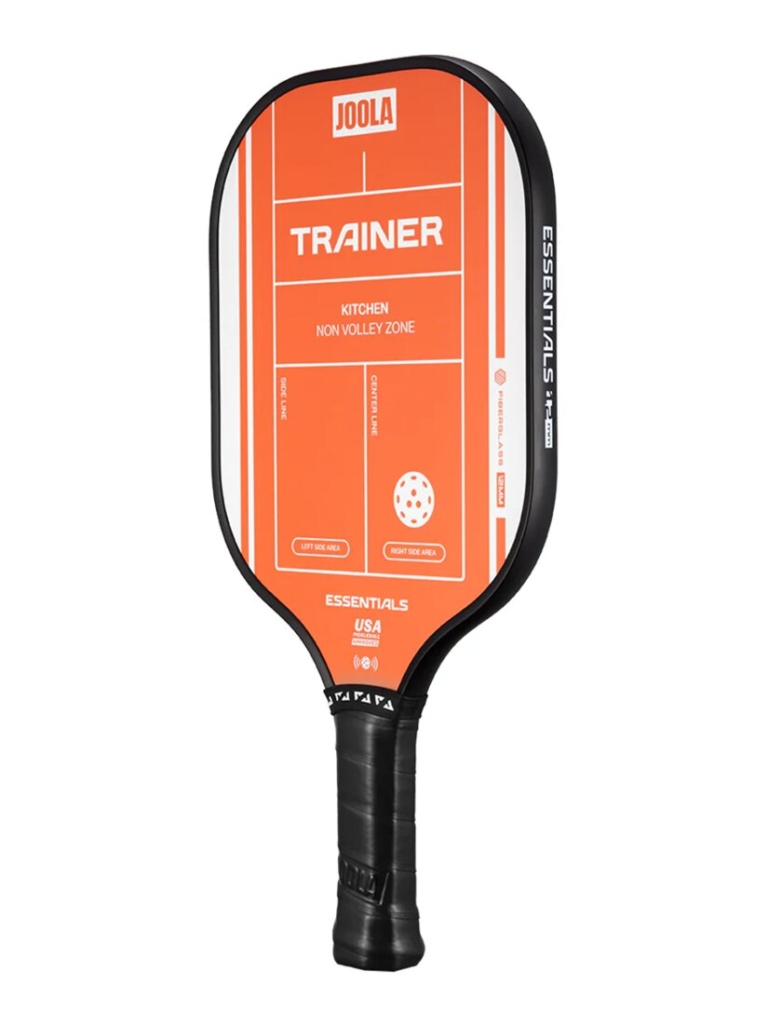
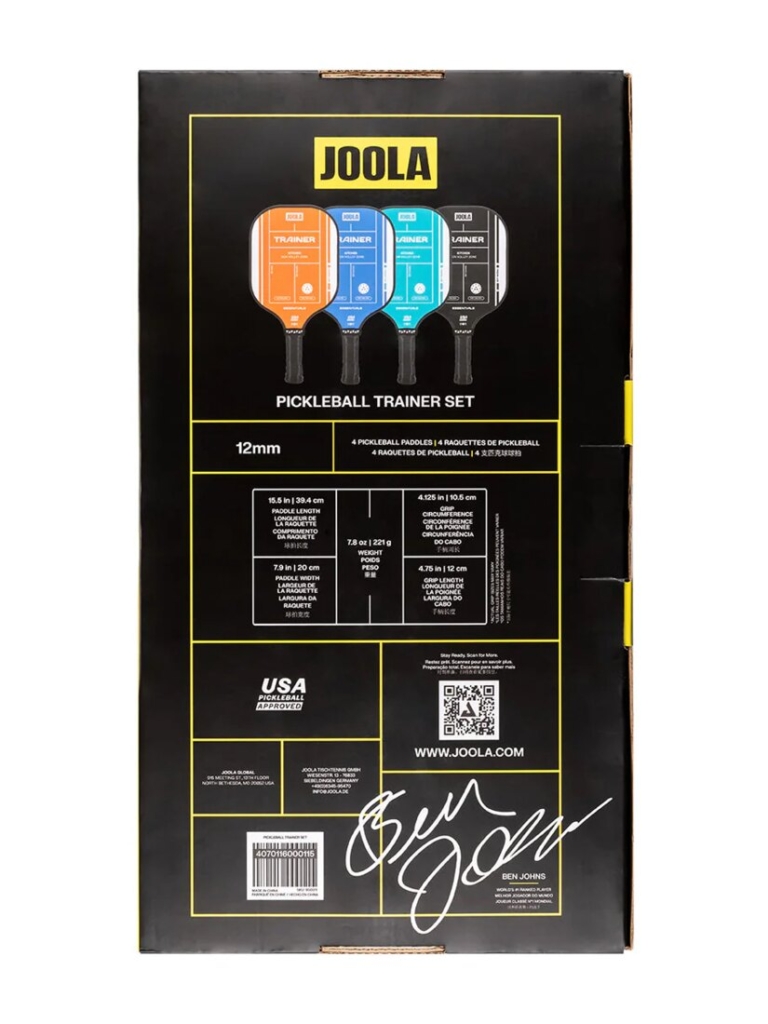
The Trainer Set at ₱9,480 contains four JOOLA Essentials 12mm paddles with a printed court layout on the face. The kitchen, the sidelines and the center line are marked, and a serve-indicator graphic shows which side serves first. It is meant for coaches, schools and clubs teaching new players, and I covered it in my starter packs guide. As a training aid, it turns every paddle into a diagram.
A simple practice routine
- Warm up (5 minutes): easy dinks at the net, cross-court and straight.
- Trainer paddle (5 minutes): hit center contact on dinks and drops.
- Short game (10 minutes): practice-net dinks and third-shot drops.
- Feed drill (10 minutes): a partner or a machine feeds balls from a hopper, and you work on one shot.
- Play (the rest): apply it in games.
Keep practice sessions short and specific, and stop when your technique starts to slip. Twenty good repetitions are worth more than a hundred sloppy ones.
Four drills worth doing
- Dink ladder: dink cross-court, then straight, then cross-court again, aiming for ten in a row before you move on. A practice net makes this possible at home.
- Third-shot drop wall: from the baseline, drop the ball so it lands softly in the kitchen. A partner, a hopper and a few balls are enough.
- Sweet spot center: with the trainer paddle, keep a rally going with a partner, counting only clean center hits.
- Reset drill: a partner drives balls at your feet, and you reset them softly to the kitchen.
Pick one drill per session and finish it. Your brain learns best from short, repeated work with a clear goal, and a drill with a score, such as ten in a row, gives you something to beat next time.
Solo practice at home
You do not need a partner to improve. A wall, a few balls and a practice net can give you a lot of volley and dink repetition. Hit a ball against a wall at a normal height and work on a compact swing, and use a practice net to rally dinks with whoever is around. A trainer paddle makes solo hitting more demanding, because the small head punishes sloppy contact. Keep sessions to twenty minutes so your technique does not degrade.
How often and how long
Short and regular beats long and rare. Two or three practice sessions of fifteen to twenty minutes a week will do more than a single two-hour session, because your body consolidates a skill while it rests. Warm up first, work on one or two things, and end with some relaxed hitting. If your arm or wrist starts to hurt, stop, because a trainer paddle or counterweight can change loading and you may need time to adapt.
Tracking progress
A simple log makes training much more effective. Write down the drill, the score and one thing you noticed. After four weeks, you can see whether your dink ladder went from five in a row to fifteen. If it did not move, change the drill or ask a coach to look at your technique. Progress that you can measure is also more motivating than a vague sense that you are getting better.
Building a training kit on a budget
| Budget | What to buy | Approx. total |
|---|---|---|
| Under ₱1,000 | Franklin Training Balls | ₱660 |
| Around ₱2,000 | Training Balls plus CRBN Counter Coins | ₱1,760 |
| Around ₱5,500 | Sweet Spot Trainer plus Counter Coins and Training Balls | ₱5,310 |
| Around ₱9,500 | Add the JOOLA Practice Net | ₱9,260 |
| Club level | Ball Hopper, Trainer Set and a ball machine | ₱20,000 plus |
The totals add up the listed prices for each combination. Most players get most of the value from the first two rows.
Mistakes to avoid
- Buying everything at once. Pick one aid for your weakest shot.
- Practicing with bad technique. Repetition makes habits, good or bad.
- Skipping the warm-up. Cold muscles and a new tool is how strains happen.
- Never switching back. Go back to your normal paddle and ball at the end of every session.
- Ignoring rest. Overuse injuries come from too much, too soon.
How to choose
- Mishitting a lot: Franklin Sweet Spot Trainer (₱3,550).
- Head-heavy paddle or slow hands: CRBN Counter Coins (₱1,100).
- Practicing at home: JOOLA Compact Practice Net (₱3,950).
- Wanting a quick, cheap drill tool: Franklin Training Balls (₱660).
- Running group drills: CRBN Ball Hopper (₱9,100).
My picks
- Best value: Franklin Training Balls (₱660).
- Best for mishits: Franklin Sweet Spot Trainer (₱3,550).
- Best for tuning: CRBN Counter Coins (₱1,100).
- Best for coaches: CRBN Ball Hopper (₱9,100) and JOOLA Trainer Set (₱9,480).