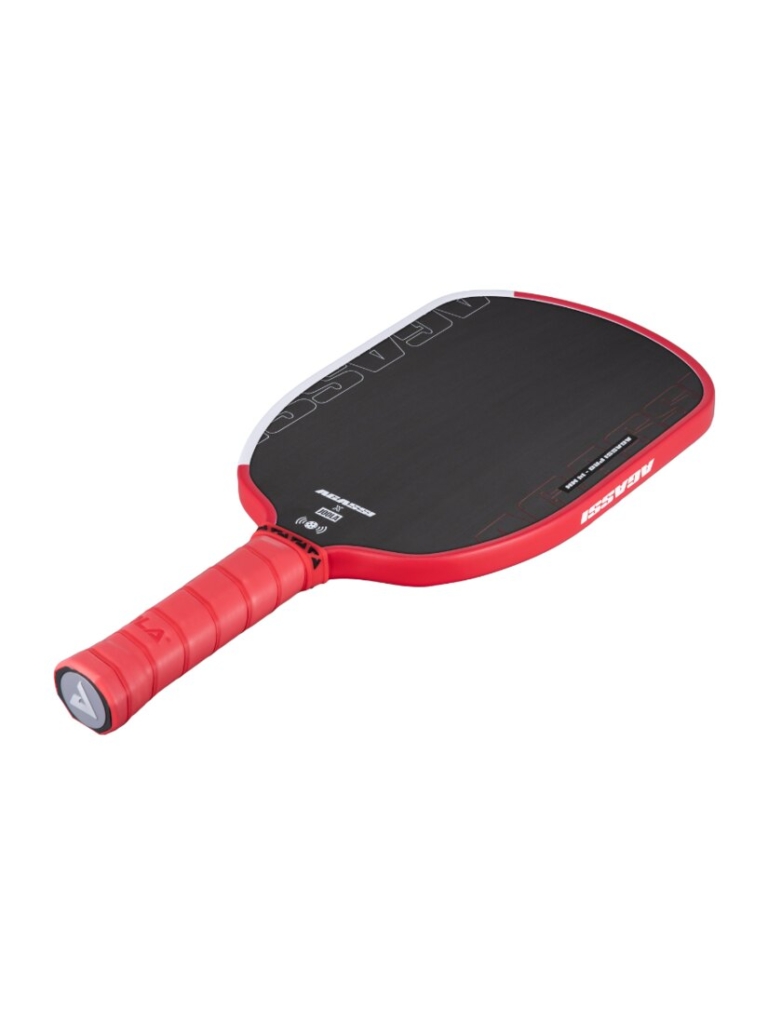
Almost every premium paddle you will look at is sold in two or more thicknesses, and the choice between them is the one players get wrong most often. A 14mm paddle and a 16mm paddle can have the same shape, the same face and the same price, and still feel like different paddles in the hand. Sellers rarely explain why, and spec sheets list the number without telling you what it means.
JOOLA’s Pro IV line is a good place to see the difference, because it sells the same shapes in both thicknesses at the same ₱16,500. This guide uses those paired listings to explain what core thickness changes, what it does not, and how to pick. It is a research guide based on JOOLA’s listings, not a hands-on test, and general statements about feel are the common view of players and brands, not something I measured.
What core thickness is
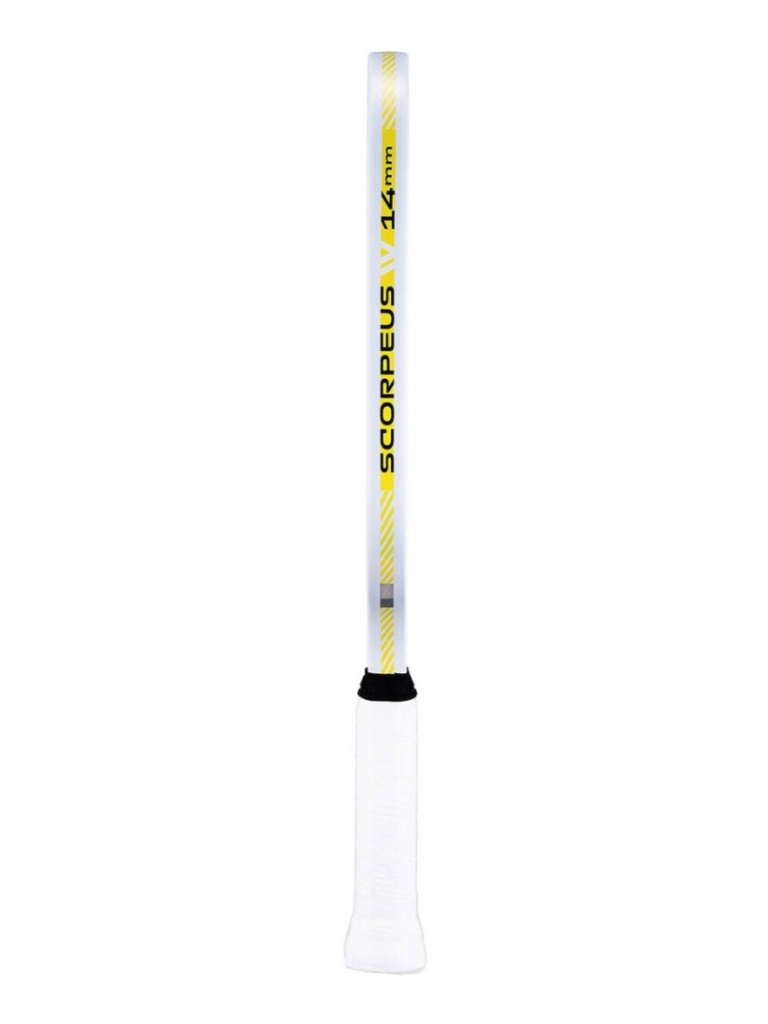
The core is the layer between the two faces of the paddle, and its thickness is measured in millimeters. In the paddles here, the core is a polymer honeycomb with JOOLA’s Propulsion Core design, and the thickness is the main variable JOOLA changes between the 14mm and 16mm versions. The face stays the same: a carbon friction surface on the Pro IV Hyperion, Perseus and Scorpeus, and a textured carbon fiber on the Agassi and Graf paddles.
A thicker core gives the ball more material to travel through, and in general that means a softer, quieter feel and a larger effective sweet spot. A thinner core is stiffer and more direct, which most players describe as livelier and more responsive. Neither is better. They suit different games.
| Paddle | 14mm weight | 16mm weight | 14mm grip | 16mm grip | Price |
|---|---|---|---|---|---|
| Magnus Pro IV | 7.9 oz | 8.2 oz | 4.1875 in | 4.25 in | ₱16,500 |
| Ben Johns Perseus Pro IV | 7.9 oz | 8.1 oz | 4.125 in | 4.25 in | ₱16,500 |
| Agassi Pro | 7.9 oz | 8.1 oz | 4.25 in | 4.125 in | ₱16,500 |
| Hyperion Pro IV | 7.9 oz | 8.1 oz | 4.125 in | 4.25 in | ₱16,500 |
| Scorpeus Pro IV (Anna / Collin) | 7.9 oz | 8.1 oz | n/a | 4.25 in | ₱16,500 |
| Graf Pro | not listed | 8.1 oz | not listed | 4.125 in | ₱16,500 |
The weights and grip sizes come from JOOLA’s listings for each thickness. Prices are the peso prices listed at PickleballPH at the time of writing. The Magnus Pro IV in both thicknesses, the Collin Johns Scorpeus 16mm and the Graf Pro 16mm were in stock, and the others were showing as sold out.
What changes: weight
Look at the table and the first pattern is weight. The 14mm paddles are listed at 7.9 ounces, and the 16mm versions at 8.1 or 8.2 ounces. That is a difference of 0.2 to 0.3 ounces, or around 6 to 8 grams, which sounds tiny but changes the balance of a paddle that is swung hundreds of times in a session. Heavier paddles carry more momentum into the ball, which adds stability and power on drives, and lighter paddles are quicker to move and easier on the arm.
The Magnus Pro IV shows the biggest gap, from 7.9 ounces at 14mm to 8.2 at 16mm. If you are sensitive to arm fatigue, or you play a lot of fast hands exchanges at the kitchen, the lighter 14mm is the easier paddle to live with. If you drive a lot from the baseline and want the paddle to do more of the work, the heavier 16mm helps.
What changes: grip size
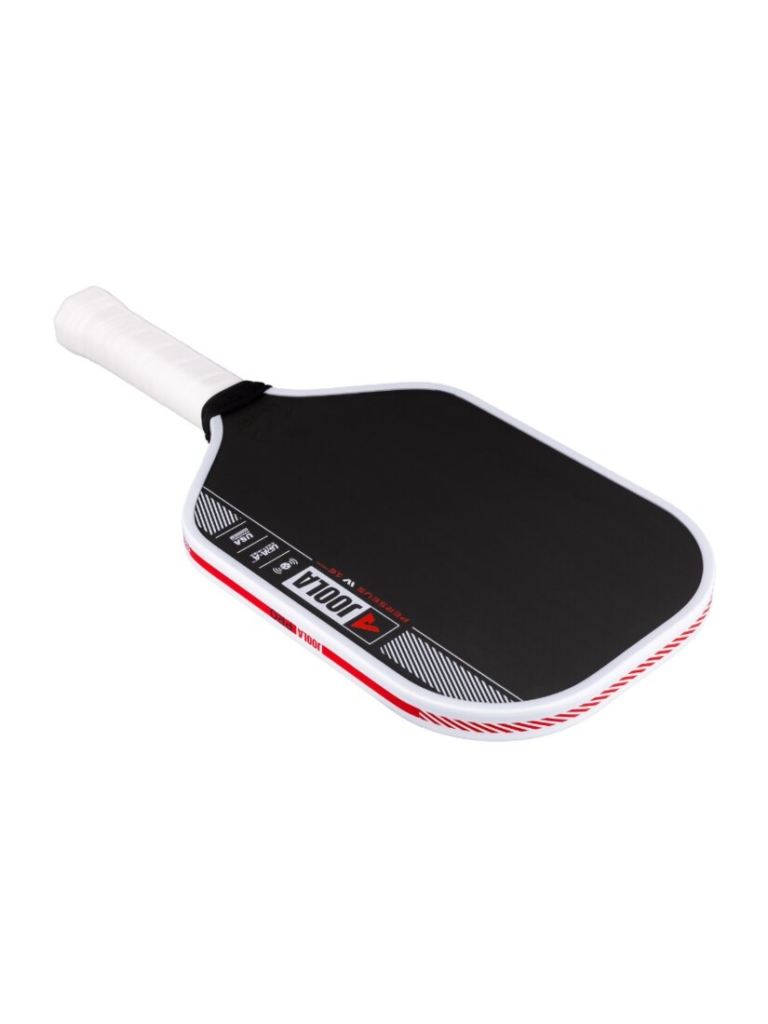
The second pattern surprised me: the grip sizes are not always the same between thicknesses. The Perseus, Hyperion and Magnus go from a smaller grip at 14mm to a 4.25-inch grip at 16mm, which matches what you might expect from a thicker paddle. The Agassi Pro goes the other way, with a 4.25-inch grip on the 14mm and a 4.125-inch grip on the 16mm. JOOLA notes that grip sizes may vary slightly.
That matters because grip size changes how you hold the paddle, and people with smaller hands often play better with a smaller handle. If you are choosing between a 14mm and 16mm of the same paddle, check the grip circumference as well as the thickness, and remember that an overgrip adds a little to whatever you buy.
Magnus Pro IV: the one in stock in both thicknesses
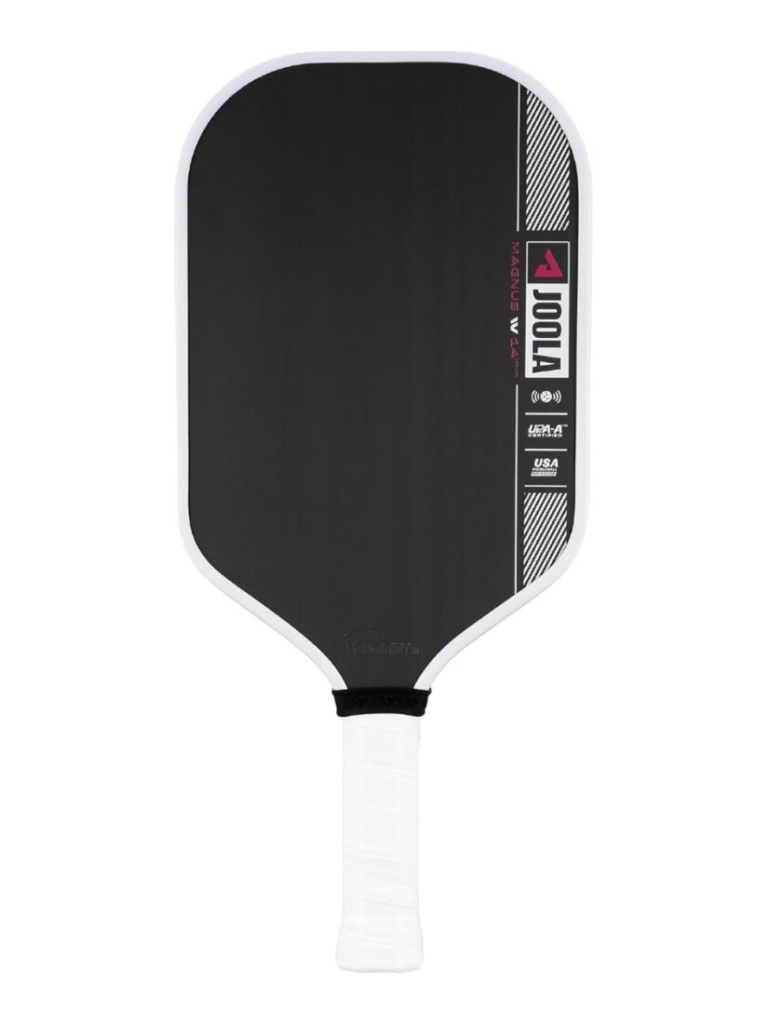
The Magnus is the paddle that best shows the choice, because both versions are in stock. It is an elongated shape at 16.5 by 7.5 inches with a shorter 5-inch handle, which JOOLA says gives added power and reach and suits players who use a one-handed backhand. Both use the Tech Flex Power weight distribution and the Propulsion Core, and both are UPA-A and USAP PBCoR 43 certified.
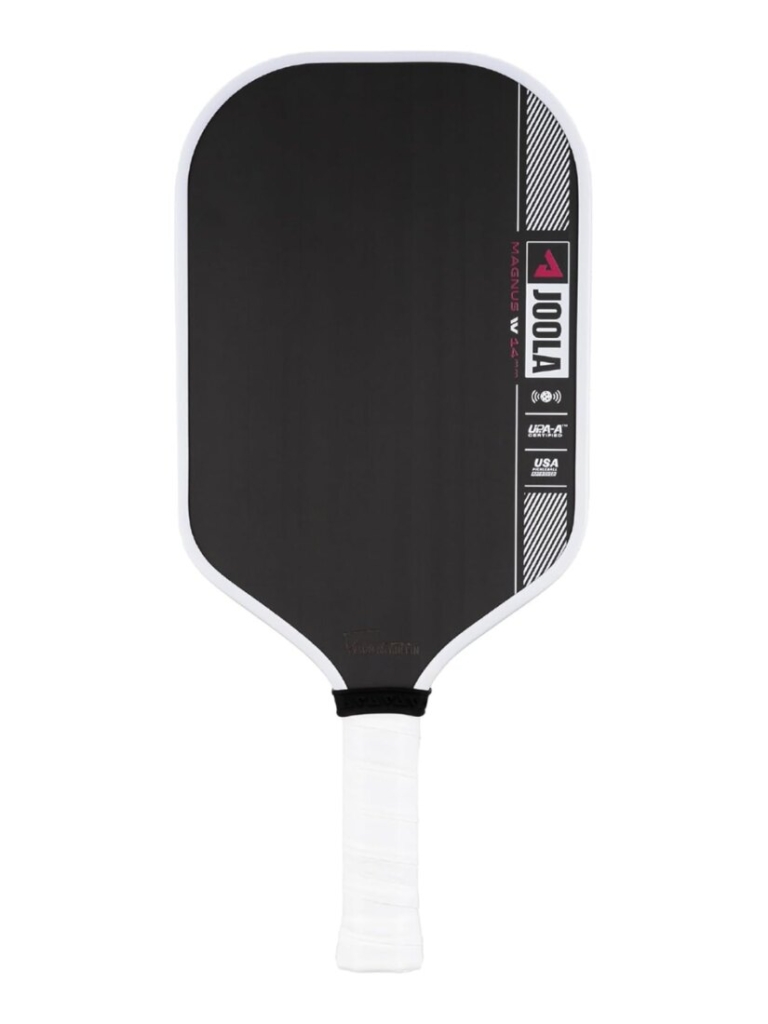
The 14mm weighs 7.9 ounces and has a 4.1875-inch grip, while the 16mm weighs 8.2 ounces and has a 4.25-inch grip. If you want the Magnus for fast, attacking play, the 14mm has the speed. If you want more stability on off-center hits and a softer feel, the 16mm is the one.
Scorpeus, Graf and the others
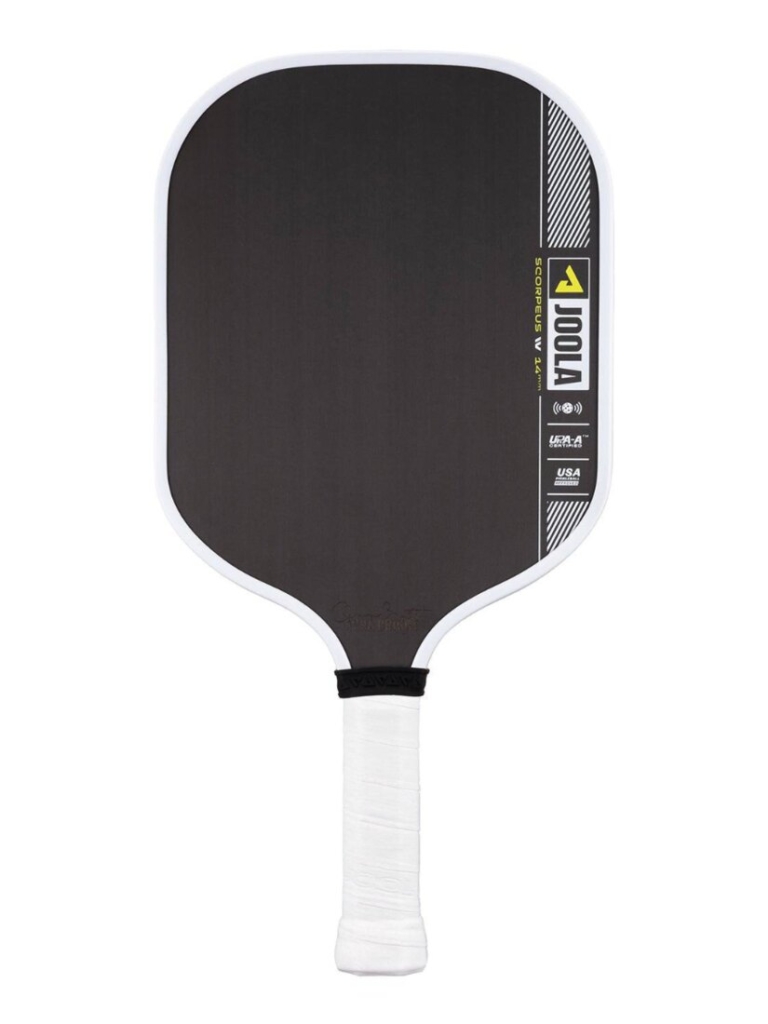
The Collin Johns Scorpeus Pro IV 16mm is the other in-stock option with a Pro IV core. It is the short, wide Scorpeus shape at 16 by 8 inches, with a 5.25-inch handle and a weight of 8.1 ounces. JOOLA describes it as an elite choice for the defensive-style player, and the 16mm thickness suits that kind of play. The Anna Bright version in 14mm, listed at 7.9 ounces, was out of stock.
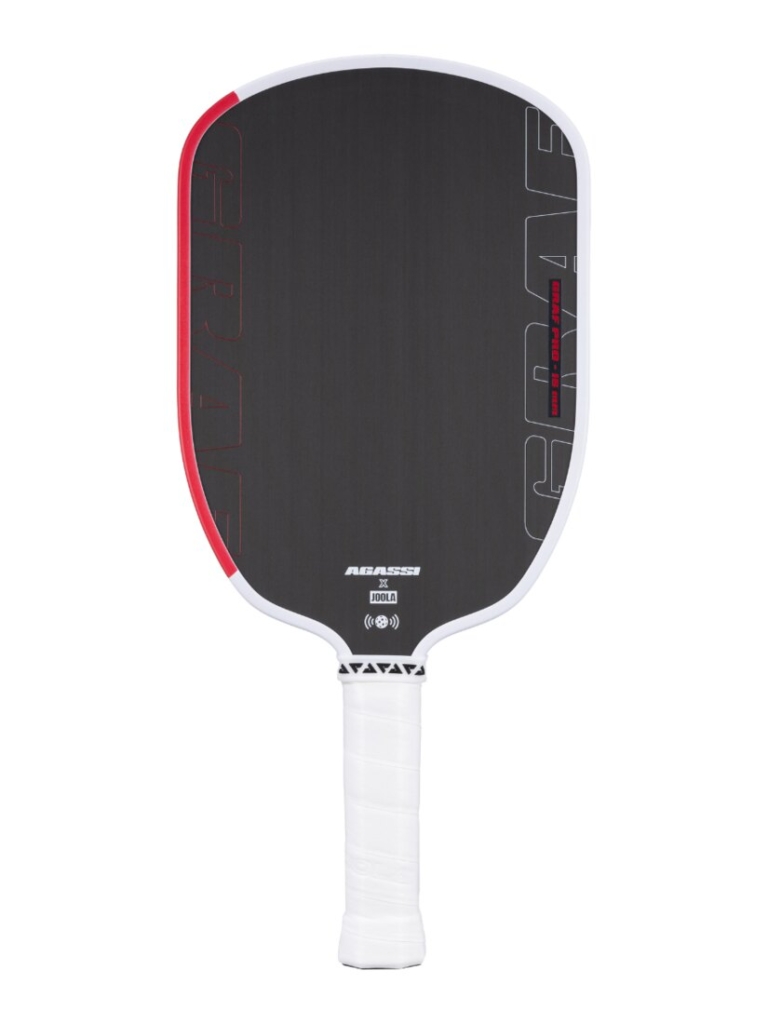
The Graf Pro 16mm is in stock too. The Graf shape extends the sweet spot to the outer edges and bottom corners for pinpoint shot placement, and it weighs 8.1 ounces with a 4.125-inch grip. It is a rounded, forgiving shape that a 16mm core makes even more forgiving.
Perseus, Hyperion and Agassi: the sold-out pairs
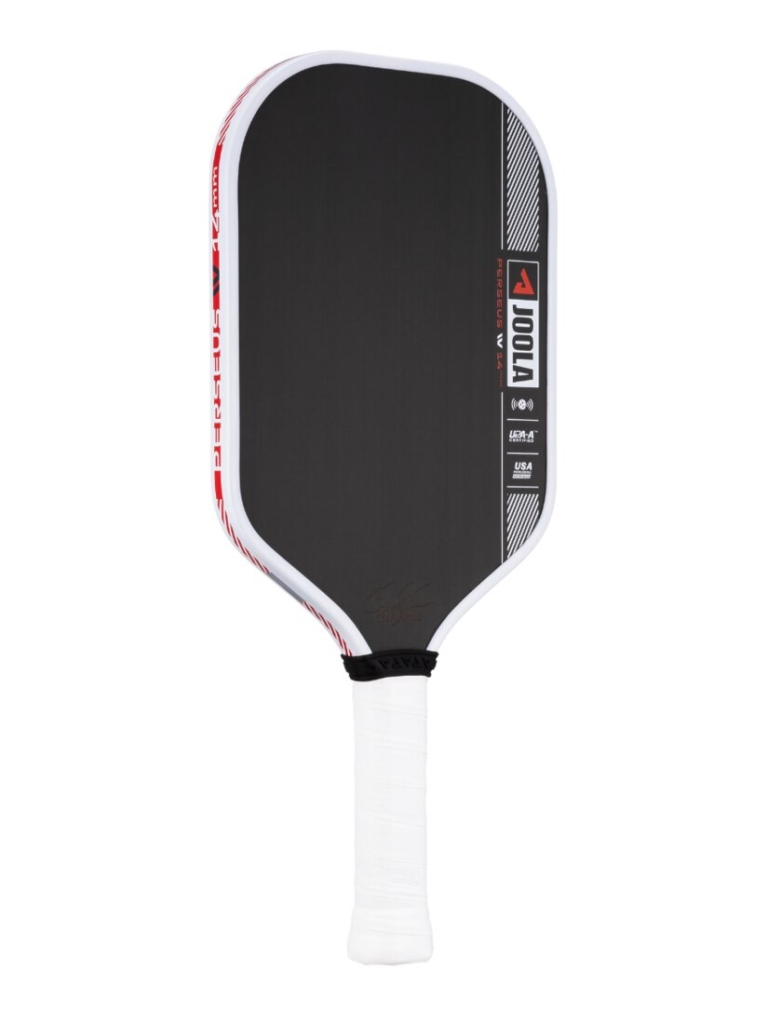
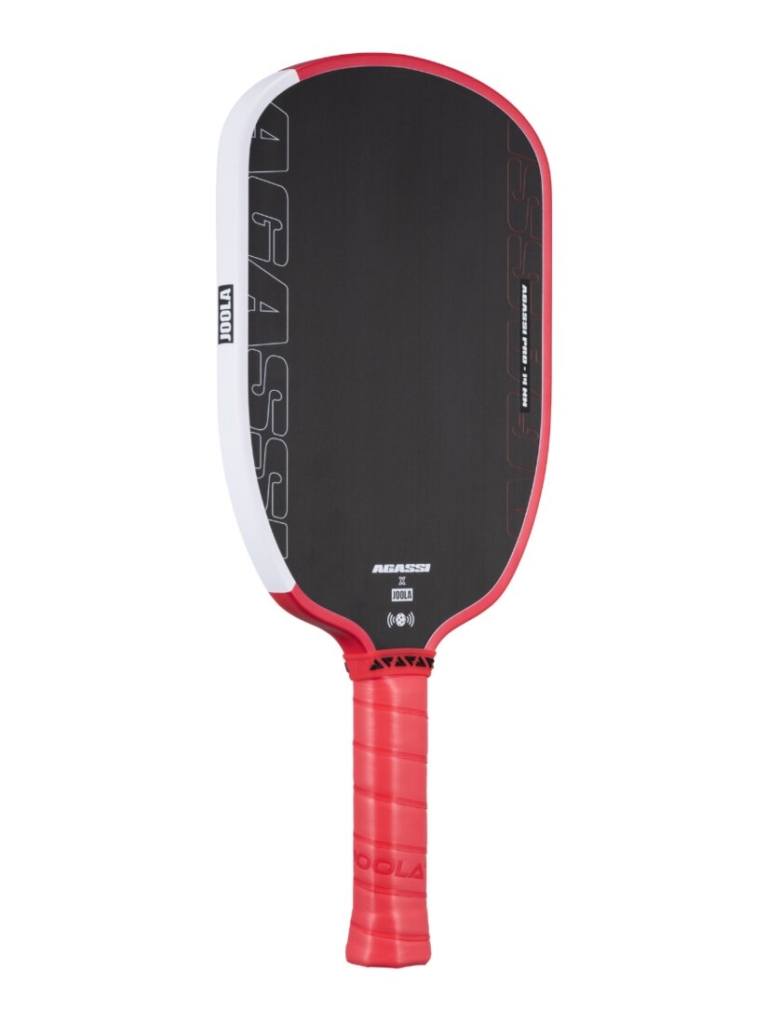
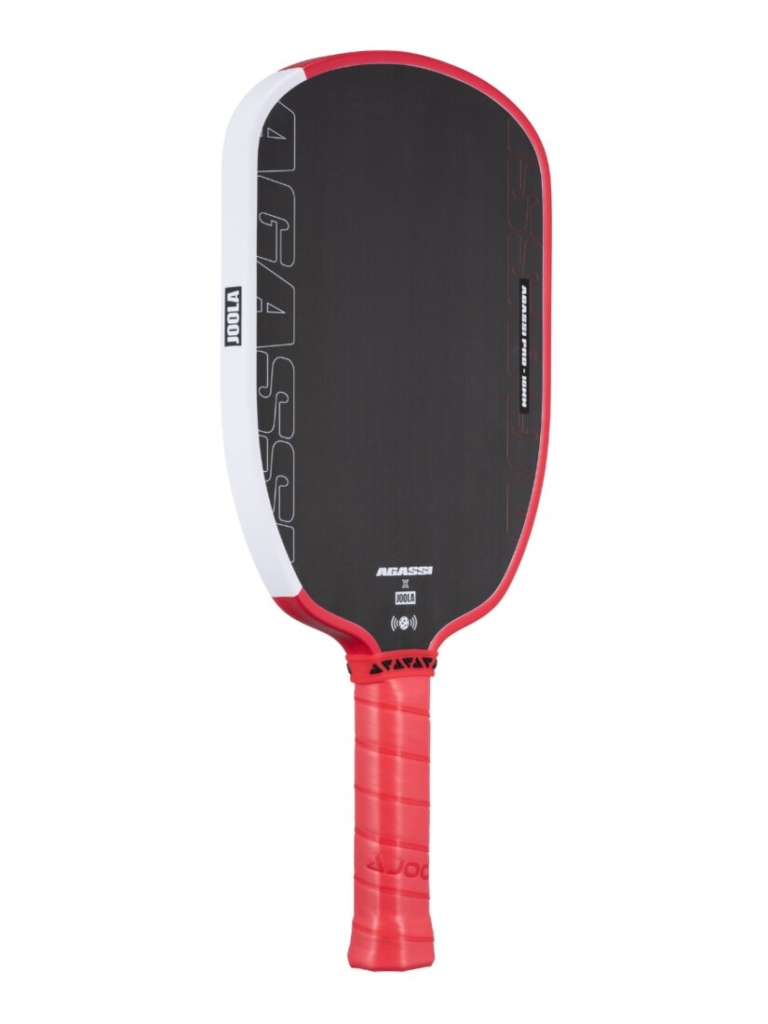
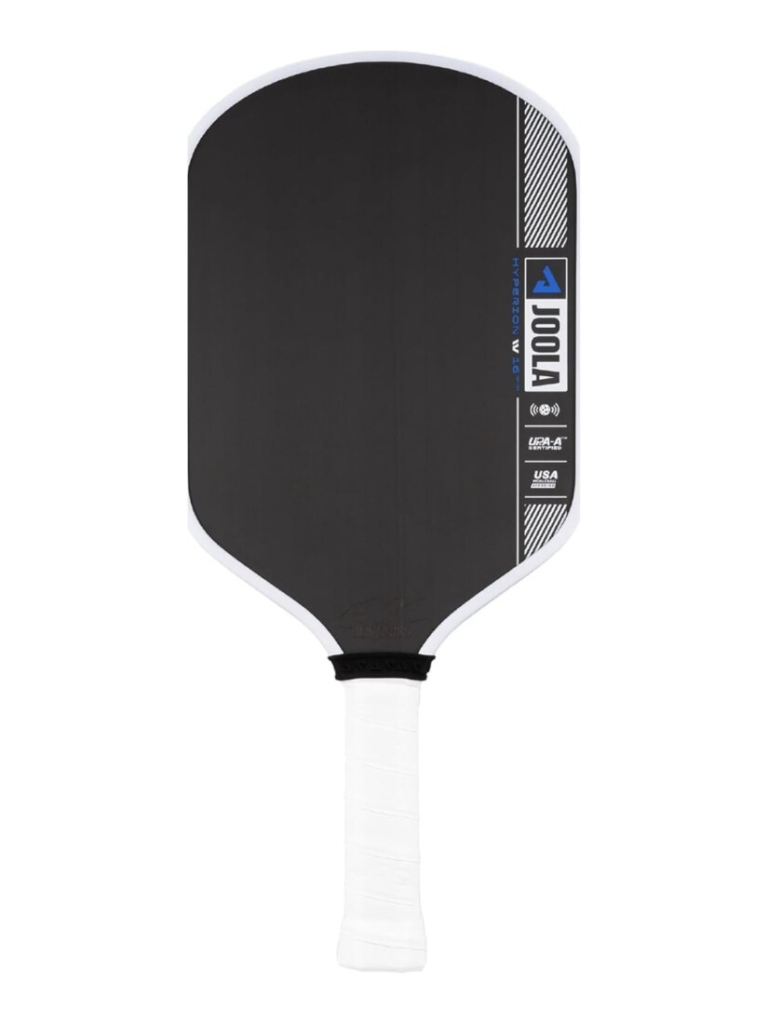
The Ben Johns Perseus Pro IV, in 14mm and 16mm, was out of stock when I checked, as was the Hyperion 16mm and both Agassi Pro thicknesses. Their listings follow the same pattern: 7.9 ounces at 14mm and 8.1 at 16mm, with the Perseus and Hyperion moving from a 4.125-inch grip to 4.25 inches, and the Agassi Pro moving the other way. If you can find one, the choice is the same as above.
Which one suits your game
- You win with speed at the net: choose 14mm for the lighter weight and livelier feel.
- You win with consistency: choose 16mm for the softer feel and more stability.
- You hit hard and lose control: choose 16mm to take some of the sting out.
- You struggle to finish points: choose 14mm for more pop.
- You have arm or elbow trouble: choose 14mm for the lower weight, but also look at a softer overgrip.
- You have small hands: check the grip circumference first and let that decide.
What thickness does not change
Thickness is only one part of how a paddle plays. Shape, balance, swing weight and face material all contribute, and a long, narrow 16mm paddle will play very differently from a short, wide one. Two 14mm paddles of different shapes can feel further apart than a 14mm and 16mm of the same shape. If you are comparing paddles across brands, look at swing weight as well, because it tells you how the weight is distributed along the paddle and not just how much there is.
It is also worth knowing that the same thickness is not the same across brands. A 16mm foam core, such as the ones in my guides to CRBN and Selkirk paddles, feels different from a 16mm honeycomb core, so use thickness as a guide within a brand and not as a rule across brands.
How to test before you buy
- Ask a friend at your court if you can hit a few balls with each thickness.
- Hit soft dinks and resets first, then drives, to feel the difference in each.
- Check the weight, grip size and balance on the listing, and compare them with your current paddle.
- Pay attention to your arm after an hour, not just the feel of the first few shots.
- If you cannot test, choose the thickness that matches your current paddle, and change only one thing at a time.
If you have no paddle to compare against, the safest default for most players is a mid-thickness such as 14 to 16mm, and for a beginner the thicker option is usually more forgiving. My beginner paddle guide covers that case.
Myths about core thickness
- Thicker always means more control. It tends to, but shape and swing weight can outweigh thickness. A heavy, elongated 16mm paddle can be less controllable than a light, wide 14mm one.
- Thinner always means more power. A 14mm core is livelier, but a well-timed swing with a 16mm paddle gets plenty of pace, and a heavier paddle adds momentum.
- One thickness is right for everyone. The right choice depends on your swing, your arm and how you play.
- Pros all use the thin ones. JOOLA’s own pro lineup is sold in both thicknesses because different players pick differently.
Questions players ask
Is a 16mm paddle better for beginners? Usually the thicker core is more forgiving, which is why many beginner paddles use 14 to 16mm cores, but a lighter paddle can also be easier on a developing arm, so try both if you can.
Will the 14mm feel harsh? It feels more direct, and some players find it louder or stingier, especially on hard-hit balls. A cushioned overgrip can soften the feel a little.
Should I buy both? Only if you play a lot and want a different feel for different conditions. Most players are better served by choosing one and getting to know it.
Fine-tuning with lead tape
If you have settled on a thickness and want to adjust the feel, lead tape is the cheap way. A few grams at the top of the head adds power and stability, and a few grams near the throat adds hand speed. It is a better way to tweak a paddle you already like than buying a second one, and my paddle care guide compares the weight products available in the Philippines.
My picks
- Best for speed: Magnus Pro IV 14mm (₱16,500).
- Best for stability: Magnus Pro IV 16mm (₱16,500).
- Best defensive: Collin Johns Scorpeus Pro IV 16mm (₱16,500).
- Best forgiving shape: Graf Pro 16mm (₱16,500).
If a ₱16,500 paddle is more than you want to spend, the same questions apply to cheaper models, and my guide to JOOLA paddles under ₱10,000 covers the lower end.