If you’ve stepped onto a court in Metro Manila recently—whether it’s an air-conditioned indoor facility in BGC, a multi-purpose wooden gymnasium in Quezon City, or a neighborhood open play in Pasig—you’ve likely noticed the explosive growth of pickleball. What started as a casual weekend hobby has quickly turned into a fast-paced, highly competitive sport across the country. But as the player base expands, so does the sheer volume of gear hitting local online marketplaces and pro shops.
Navigating Shopee, Lazada, and TikTok Shop for your first serious paddle can feel overwhelming. You are bombarded with jargon like “T700 Raw Carbon Fiber,” “Gen 2 Thermoformed,” “Foam-Injected Perimeter,” and “16mm Polypropylene Core,” with prices swinging wildly from ₱500 wooden bundles to ₱15,000 imported tour flagships. It is enough to give even experienced athletes decision paralysis.
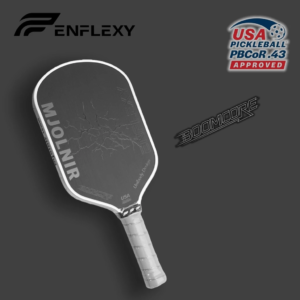
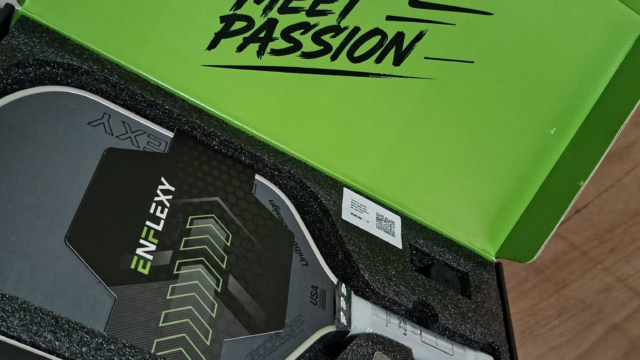
Enflexy Mjolnir
New Boom Core — Pure Foam surrounded by an EVA Power Ring and fused together — massive sweet spot, this core packs a powerful punch with unrivaled durability. No core crush, no break-in period. Explosive power without compromise.
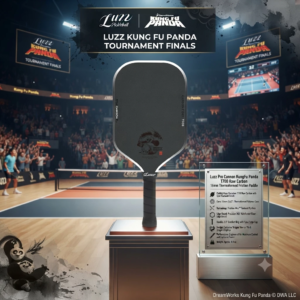
LUZZ Pro Cannon 16mm
Features an innovative carbon matrix core engineered to load and release kinetic energy for heavy, penetrating drives from deep court.
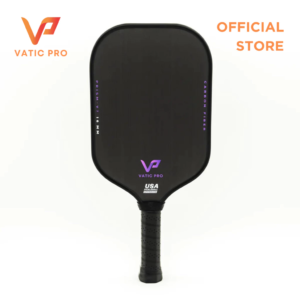
Vatic Pro Prism V7 16mm
Unibody raw carbon build with polyurethane foam inserts that absorb heavy drives and maximize dink control for reset-heavy strategies.
To help you make sense of it all, this guide cuts through the marketing fluff. We focus on real-world court performance, material engineering, and the specific playing conditions found across Philippine courts. If you are ready to move beyond borrowed gear and invest in a paddle that fits your playing style and budget, here is everything you need to know before pressing “Check Out.”
Phase 1: Skip the Wood (Why Cheap Sets Ruin Your Progression)
Let’s address the most common beginner temptation: the ₱300 to ₱600 wooden or cheap composite paddle sets flooding online algorithms. Are they cheap? Absolutely. Should you buy them if you want to learn the game? Absolutely not.
Unless your goal is strictly playing a single casual match at a family picnic, wooden paddles do significantly more harm than good.
- Excessive Static Weight: Wooden paddles typically weigh anywhere from 9.0 to over 10.5 ounces. In pickleball—a sport played at close quarters where rapid hand battles occur less than 14 feet apart at the non-volley zone (the “Kitchen”)—swinging a heavy wooden board leads to sluggish reaction times, wrist fatigue, and unwanted joint strain.
- Zero Surface Texture: Wooden and glossy composite surfaces lack the friction necessary to generate ball rotation. Without topspin or backspin, shaping your shots, keeping aggressive drives inside the baseline, or dropping soft shots into your opponent’s kitchen becomes frustratingly difficult.
- Harsh Vibration & Small Sweet Spots: Wood offers virtually no shock absorption. Off-center contact sends jarring vibrations straight up your forearm, resulting in dead shots that dump straight into the net.
Investing in modern paddle materials is not about luxury; it is about buying gear that supports correct stroke mechanics and protects your joints from day one.
Phase 2: Decoding Face Materials (Where Spin and Touch Are Born)
The face material is the outermost layer that directly contacts the ball. It plays a decisive role in shot feel, dwell time (how long the ball stays on the paddle face during impact), and spin generation. In today’s market, face materials fall into three major categories.
Enflexy Mjolnir
New Boom Core — Pure Foam surrounded by an EVA Power Ring and fused together — massive sweet spot, this core packs a powerful punch with unrivaled durability. No core crush, no break-in period. Explosive power without compromise.
1. Fiberglass (Composite)
Fiberglass is a flexible material commonly found on budget-to-intermediate paddles. Because fiberglass flexes upon ball impact, it creates a “trampoline effect” that propels the ball forward with noticeable speed.
- The Feel: Crisp, punchy, and lively.
- Who it’s for: Players with slower swing speeds who want extra depth on their shots without exerting maximum physical effort.
- The Downside: The added flexibility reduces dwell time, making precise placement and heavy spin harder to execute consistently.
2. Toray T700 Raw Carbon Fiber
Raw Carbon Fiber (specifically Japanese Toray T700) is the current gold standard across intermediate and professional play. Unlike painted or printed surfaces, raw carbon fiber utilizes an unvarnished, peel-ply textured weave that physically grips the soft plastic pickleball.
- The Feel: Muted, gritty, controlled, and plush.
- Who it’s for: Players who want maximum control over dinks, resets, and third-shot drops, as well as players who rely on aggressive topspin to keep hard drives inside the court.
- The Downside: Higher manufacturing costs translate to a higher retail price, though direct-to-consumer models have made this tech much more accessible locally.
3. Kevlar and Titanium Hybrid Weaves
A newer trend hitting local courts involves weaving Kevlar or micro-titanium wires directly into the carbon fiber face. Kevlar adds a slightly softer, damp feel with increased abrasion resistance, while titanium threads add structural stiffness for extra pop on drives. These hybrid surfaces offer unique play characteristics for players looking to fine-tune their power-to-control ratio.
Phase 3: Core Technology (14mm vs. 16mm and Thermoforming)
Beneath the outer face lies the internal core. While almost all modern paddles utilize a lightweight polymer (polypropylene) honeycomb structure, the core’s thickness and construction method dictate how the paddle handles energy transfer.
LUZZ Pro Cannon 16mm
Features an innovative carbon matrix core engineered to load and release kinetic energy for heavy, penetrating drives from deep court.
Core Thickness: 14mm vs. 16mm
The thickness of the polymer core is one of the most critical specifications you will choose:
- 16mm Cores (Control & Forgiveness): Thicker cores deform more upon ball impact, absorbing kinetic energy and cushioning the ball. This plush sensation gives you incredible touch for soft kitchen play, drops, and defensive resets against hard drives. A 16mm core also offers a noticeably larger sweet spot. For 90% of beginner and intermediate players, a 16mm core is the ideal starting point.
- 14mm Cores (Speed & Pop): Thinner cores absorb less energy, meaning the ball rebounds off the face much faster. This gives you high hand speed during rapid volley exchanges and extra punch on overhead smashes. However, the trade-off is a smaller sweet spot and a firmer feel that requires precise hand control during delicate soft games.
Thermoforming (Gen 2 Paddle Tech)
Historically, paddles were built like a sandwich: a core glued between two faces with a plastic rim taped around the edge. Modern high-performance paddles use Thermoforming—a process where the entire paddle (core, faces, perimeter walls, and handle) is fused together under high heat and pressure inside a single mold.
Thermoformed paddles feature foam-injected perimeter walls around the core edge. This unibody construction increases structural stability, eliminates hollow vibration, dramatically expands the sweet spot toward the edges, and increases energy return on drives.
Phase 4: Shape, Balance, and Ergonomics
Paddles come in various physical outlines and weight distributions. Choosing the right geometry depends on your athletic background and hand preferences.
1. Paddle Shapes
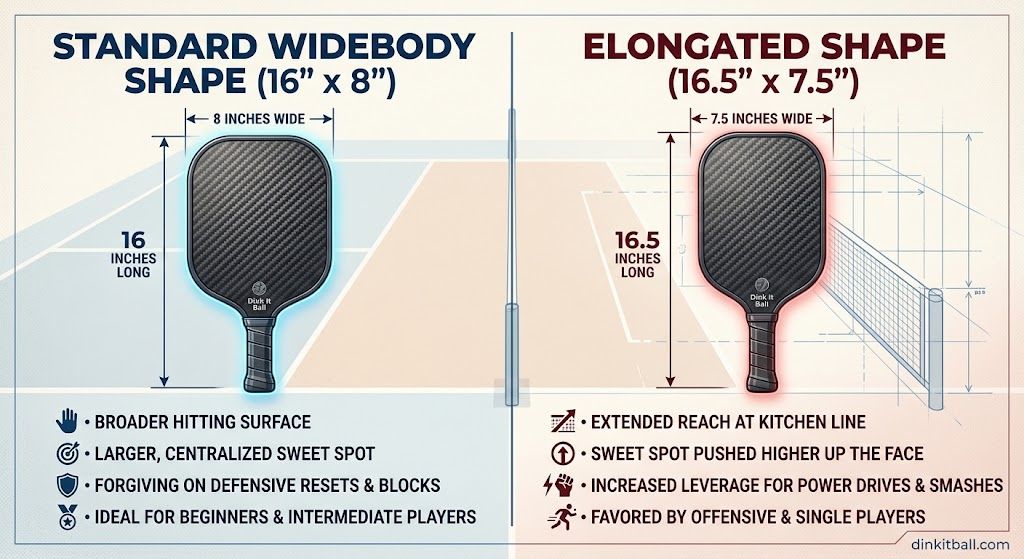
- Standard / Widebody (approx. 15.75” to 16” L × 8” W): Features a broad hitting surface with a wide, centralized sweet spot. Highly forgiving for blocking, resetting, and defensive play.
- Elongated (approx. 16.5” L × 7.5” W): Extends the length of the paddle by half an inch while narrowing the width. This pushes the sweet spot higher up the face, giving you extra reach at the kitchen line and increased leverage for power drives and overheads.
2. Handle Length and Backhands
Handle lengths generally range from 4.75 inches to 5.5 inches. If you come from tennis or badminton and hit a two-handed backhand, pay close attention to this spec: you need a handle length of at least 5.25 to 5.5 inches to comfortably fit both hands on the grip without riding up onto the paddle face.
3. Understanding Swing Weight vs. Static Weight
Two paddles can weigh the exact same on a scale (e.g., 8.0 ounces), yet feel completely different in your hand.
- Static Weight: The actual total weight of the paddle.
- Swing Weight: How heavy the paddle feels as you swing it through the air. Elongated paddles naturally have a higher swing weight because more mass is concentrated farther from your wrist, offering more plow-through power at the expense of slight hand speed.
Phase 5: Smart Shopping in the Philippine Market
Buying a paddle locally requires navigating specific marketplace dynamics on Shopee, Lazada, and social platforms:
- Watch Out for “Fake Grit”: Some low-cost listings advertise carbon fiber but actually use a spray-on clear coat grit over smooth fiberglass. This surface grit rubs off after just three or four sessions, leaving you with zero spin capability. Always look for “Toray T700 Raw Carbon” or “Peel-Ply Carbon.”
- Check Warranty and Local Distributors: Buying through established local distributors or verified store accounts ensures you get authentic stock, responsive customer support, and protection against manufacturing defects like core crushing or handle snapping.
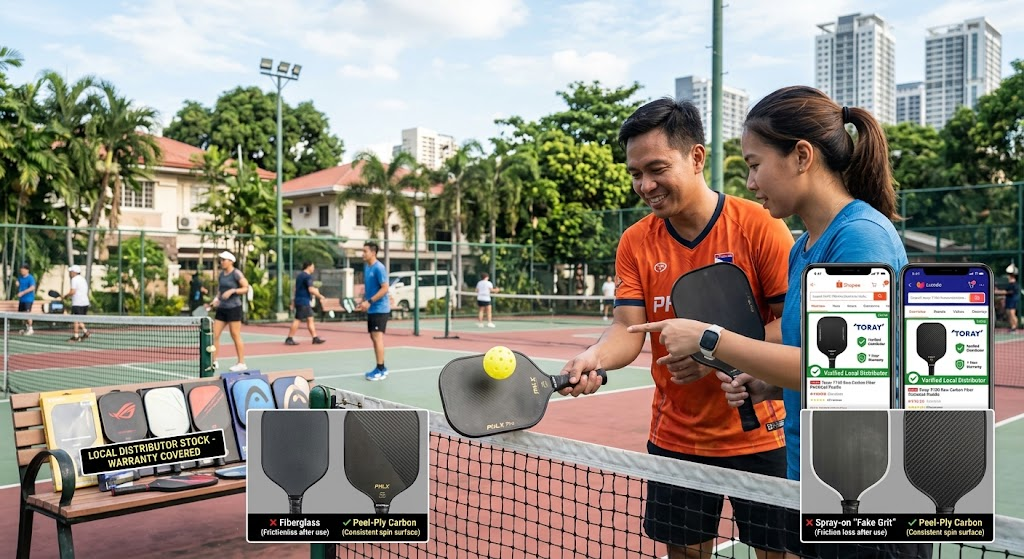
- Test Before You Buy: Take advantage of open-play sessions across Metro Manila courts. Experienced players and court organizers are often happy to let you try a few hits with their gear. Hitting a few dinks and drives with a paddle in person tells you more than any spec sheet ever could.
The Final Dink
Choosing your first quality paddle doesn’t have to be complicated. If you want a reliable formula that guarantees performance, longevity, and room for skill growth, look for these baseline specs: a 16mm core, a T700 Raw Carbon Fiber face, a thermoformed unibody build, and an elongated shape. This setup offers the perfect blend of soft control at the kitchen line and stable power from the baseline.
Enflexy Mjolnir
New Boom Core — Pure Foam surrounded by an EVA Power Ring and fused together — massive sweet spot, this core packs a powerful punch with unrivaled durability. No core crush, no break-in period. Explosive power without compromise.
LUZZ Pro Cannon 16mm
Features an innovative carbon matrix core engineered to load and release kinetic energy for heavy, penetrating drives from deep court.
Vatic Pro Prism V7 16mm
Unibody raw carbon build with polyurethane foam inserts that absorb heavy drives and maximize dink control for reset-heavy strategies.
Once your gear is sorted, step onto the court, stay patient at the kitchen line, and enjoy the game!