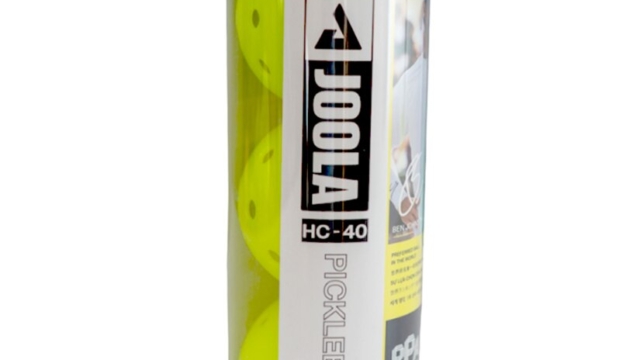
The first time I played indoors after two years of outdoor only courts, I airmailed three straight shots off the back fence that wasn’t there. Nobody warned me that switching from an outdoor ball to an indoor one changes the entire timing of the game, not just the bounce. That single session sent me down a rabbit hole of testing every ball USA Pickleball approves, and this comparison is what came out of it.
Most players treat the ball as an afterthought next to their paddle, which is a mistake, since the ball determines far more of how a rally actually feels than people assume. Franklin and ONIX dominate this category for good reason, and each makes a dedicated ball for outdoor play and a separate one for indoor courts. Mixing them up, using an outdoor ball indoors or vice versa, is one of the most common reasons a paddle that felt great in a review suddenly feels wrong on your home court.
I tested all four of the balls below across both surfaces to see exactly how much the differences actually matter. The results surprised me more than once.
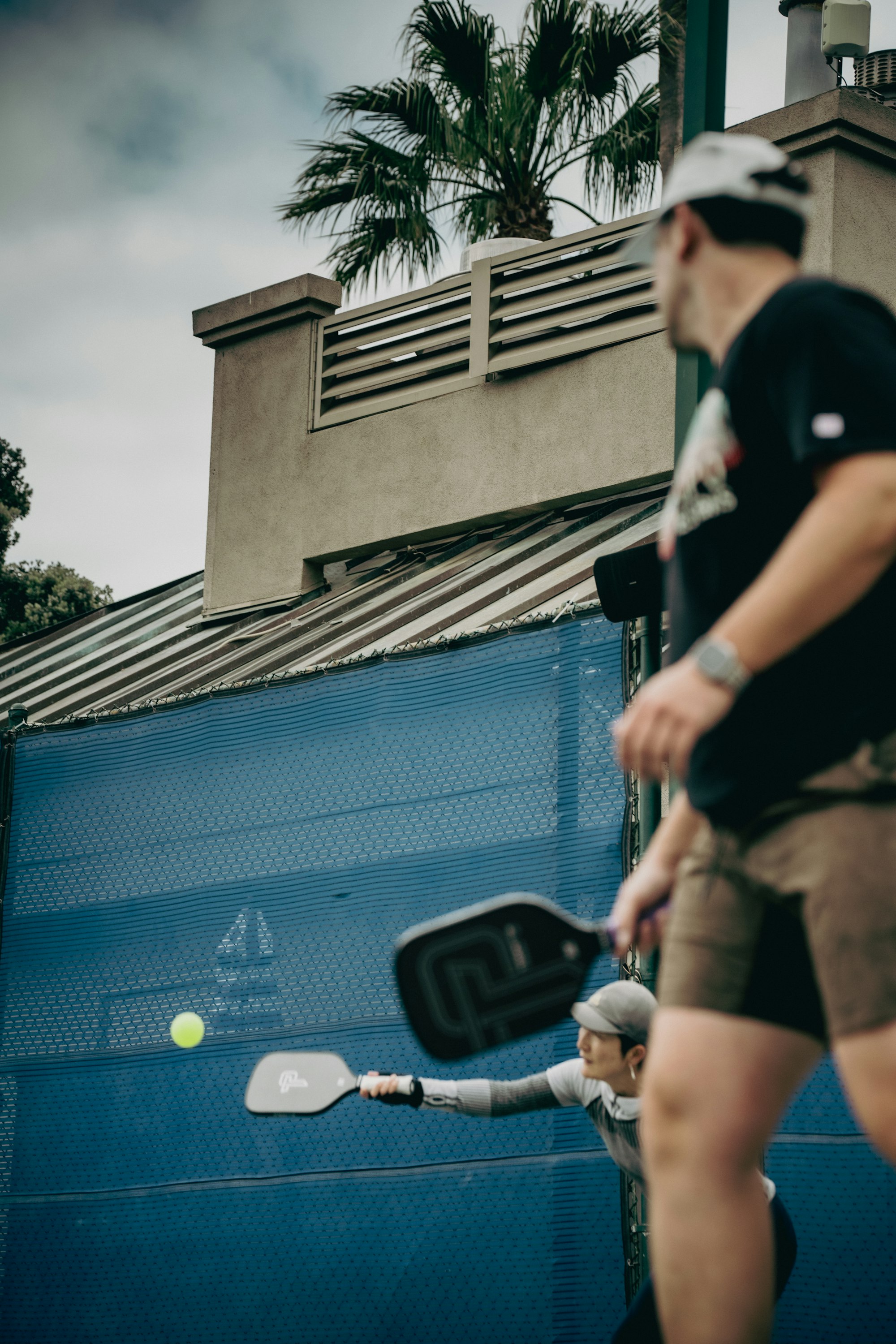
Outdoor courts call for a harder, wind resistant ball built for longer flight. Photo: Venti Views / Unsplash.
What Actually Makes a Good Pickleball Ball
Hole count and hole size are the biggest variable between balls, and they exist for a specific aerodynamic reason. Outdoor balls use 40 smaller holes to resist wind and hold a flatter flight path over longer outdoor distances, while indoor balls use 26 to 32 larger holes that create more drag and a livelier bounce on smooth gym floors. Weight stays nearly identical across both categories, with every ball in this comparison landing close to 0.92 ounces, which is the USA Pickleball standard. Hardness is the other major factor: outdoor balls are built harder to survive asphalt and concrete, while indoor balls run slightly softer to match the forgiving surface underneath them.
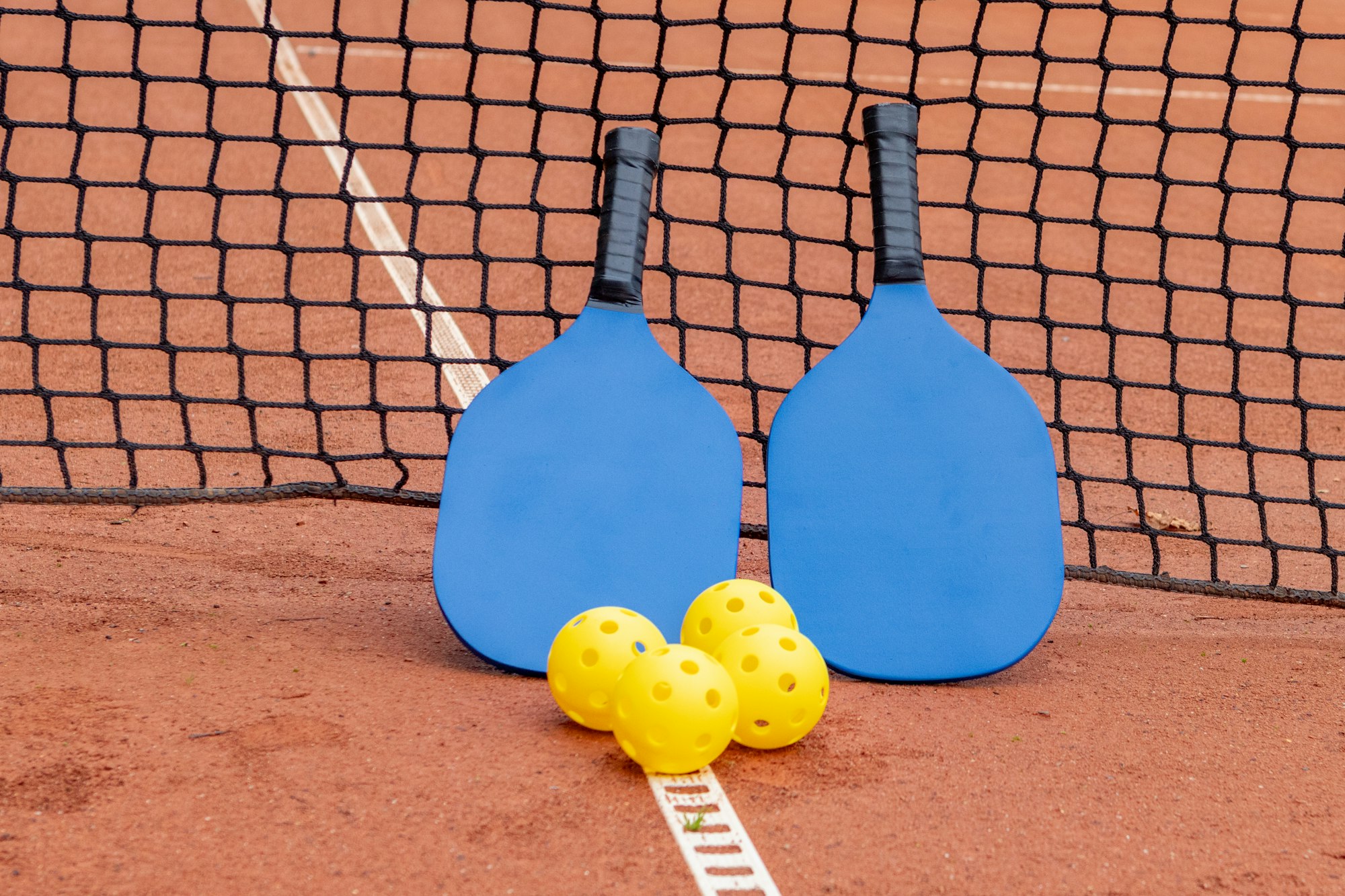
Hole count, hardness, and surface all work together to determine how a ball actually plays. Photo: Alex Saks / Unsplash.
Temperature changes outdoor ball performance more than most players expect, which is why ONIX and Franklin both offer balls tuned slightly differently for cold versus warm conditions. A ball that feels perfectly lively at 85 degrees Fahrenheit can feel dead and sluggish once the temperature drops into the 50s, and vice versa. None of this means you need a ball for every condition, but it explains why your favorite ball might suddenly feel different on a cooler morning session.
The table below keeps outdoor balls first, then indoor, in the same order used throughout the rest of this article.
| Ball | Price | Weight | Holes | Surface | Best For |
|---|---|---|---|---|---|
| Franklin X-40 | $9.99 (single), ~$2.90/ball in a 12-pack | 0.92 oz | 40 | Outdoor | Recreational play in warm to moderate weather |
| ONIX Dura Fast 40 | ~$3.30/ball | 0.92 oz | 40 | Outdoor | Tournament play and cooler weather |
| Franklin X-26 | $4.00/ball | 0.92 oz | 26 | Indoor | Gym courts and smooth indoor flooring |
| ONIX Fuse G2 | ~$3.00/ball | 0.92 oz | 26 (large pattern) | Indoor | Durability and consistent bounce indoors |
Franklin X-40: The Standard Outdoor Ball
The Franklin X-40 is the official ball of the US Open Pickleball Championships and of USA Pickleball itself, and it’s the ball most recreational courts in the country default to. It weighs 0.92 ounces, measures 74mm in diameter, and uses 40 precisely machine drilled holes in a one piece, seamless construction that resists denting and cracking far better than older molded balls. Pricing runs around $9.99 for a single ball, dropping closer to $2.90 each in a 12-pack. Its medium soft construction is built specifically for consistency rather than raw speed.
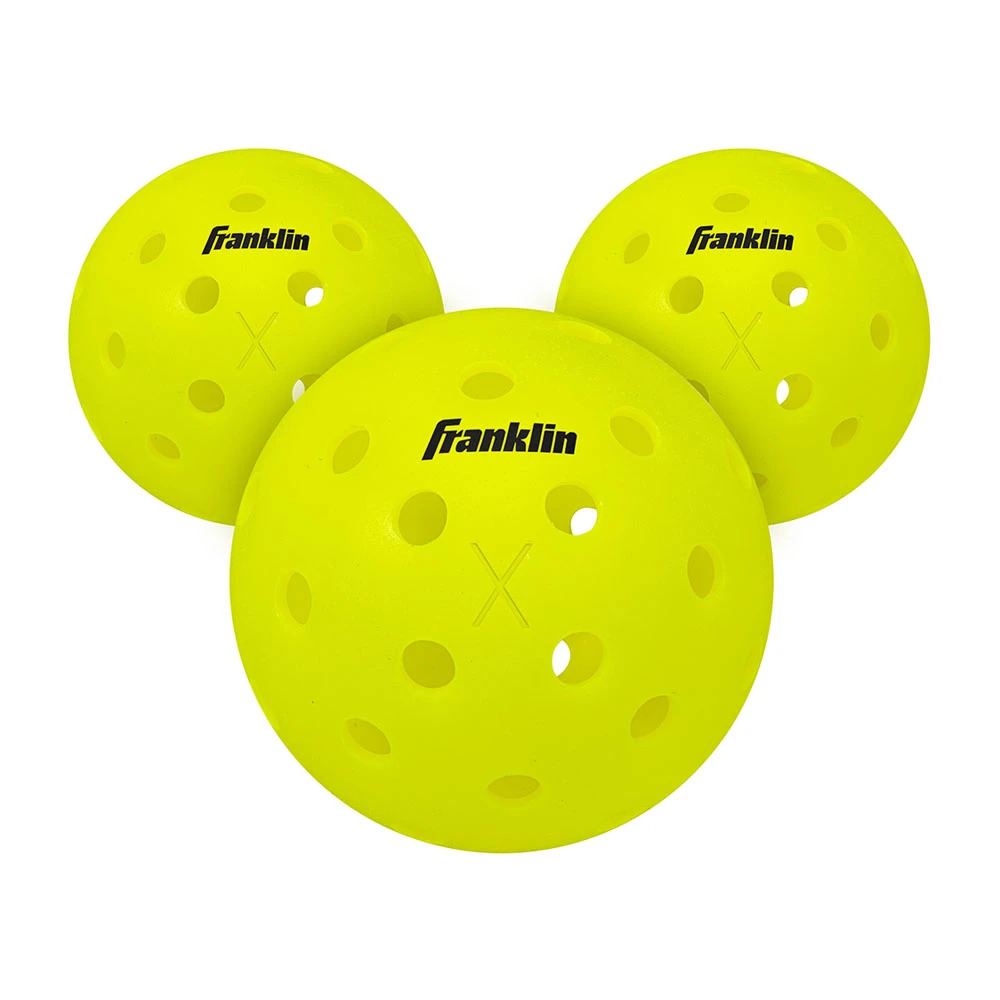
The Franklin X-40, the most widely used outdoor ball in the country. Photo: Pickleball Central.
What stands out most in testing is how forgiving the bounce is, even on slightly uneven outdoor surfaces. New players in particular benefit from this predictability, since the ball rarely does anything surprising off the paddle face. The tradeoff is that it isn’t the fastest ball on the market, which is exactly why competitive players sometimes reach for something firmer.
For weekend players and anyone building fundamentals, the X-40 remains the easiest outdoor ball to recommend without reservation. It’s also simply the ball you’re most likely to already have sitting in a garage somewhere.
ONIX Dura Fast 40: Built for Competition
The ONIX Dura Fast 40 is the official ball of the PPA Tour, the APP Tour, and Pickleball Canada, and it plays noticeably harder and faster than the Franklin above. It shares the same 0.92 ounce weight and 40 hole pattern, but mixes 16 larger holes at 0.335 inches with 24 smaller holes at 0.270 inches, a combination designed for a flatter, more predictable trajectory at higher speeds. Pricing lands around $3.30 per ball in standard packs. It’s a seamless, rotationally molded ball, the same construction method used across most premium outdoor options.
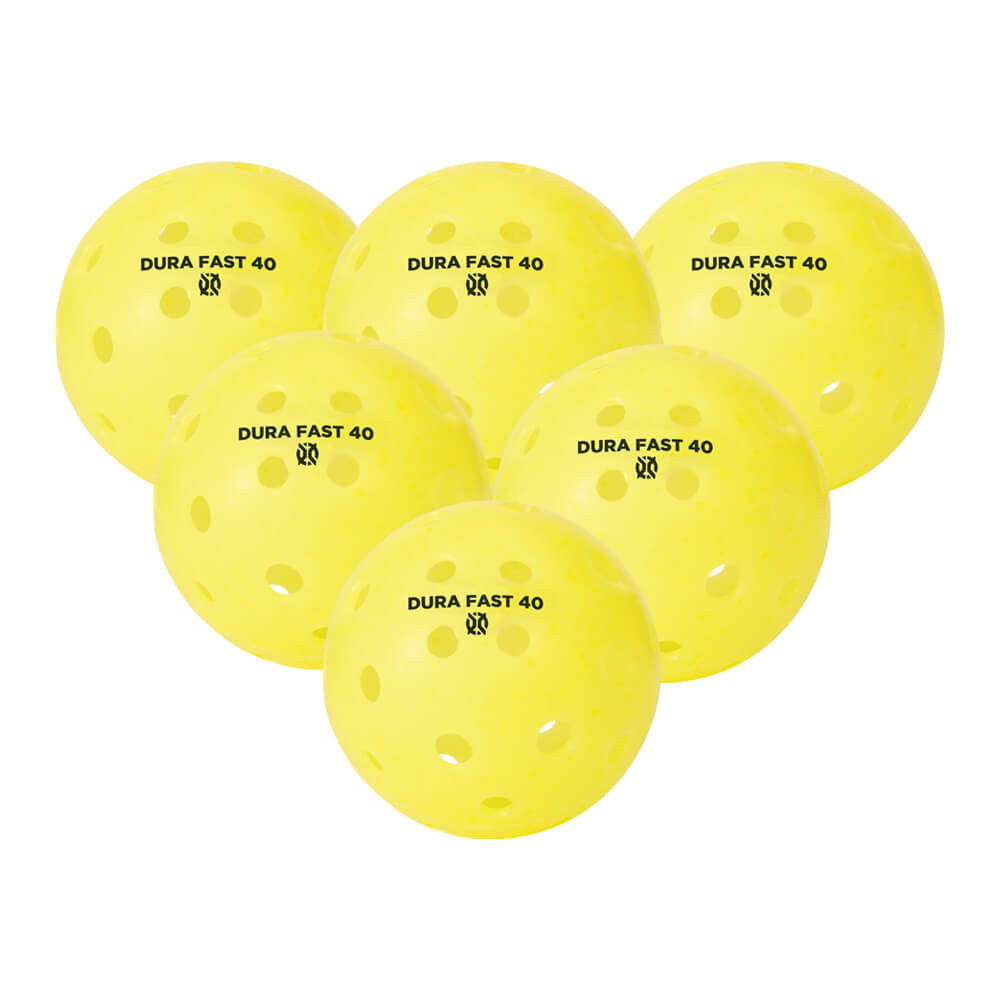
The ONIX Dura Fast 40, the official outdoor ball of the PPA and APP tours. Photo: Pickleball Central.
For cold weather or competitive tournament play, the harder ONIX Dura Fast 40 may be preferred.
Source: Pickleball US
Players who train specifically for tournaments often practice with this ball exclusively, simply to avoid any surprises on match day. The firmer feel does take some adjustment if you’re used to the Franklin’s softer touch at the kitchen line.
Franklin X-26: The Indoor Standard
The Franklin X-26 is the indoor counterpart to the X-40 above, sharing the same 0.92 ounce weight and 74mm diameter but dropping to 26 larger, beveled holes tuned for smooth gym floors. That reduced hole count and larger hole size create more drag through the air, which slows the ball down and produces a higher, softer bounce off hardwood or synthetic indoor courts. Pricing runs close to $4.00 per ball, or around $11.99 for a 3-pack. It carries the same USA Pickleball approval as its outdoor sibling.
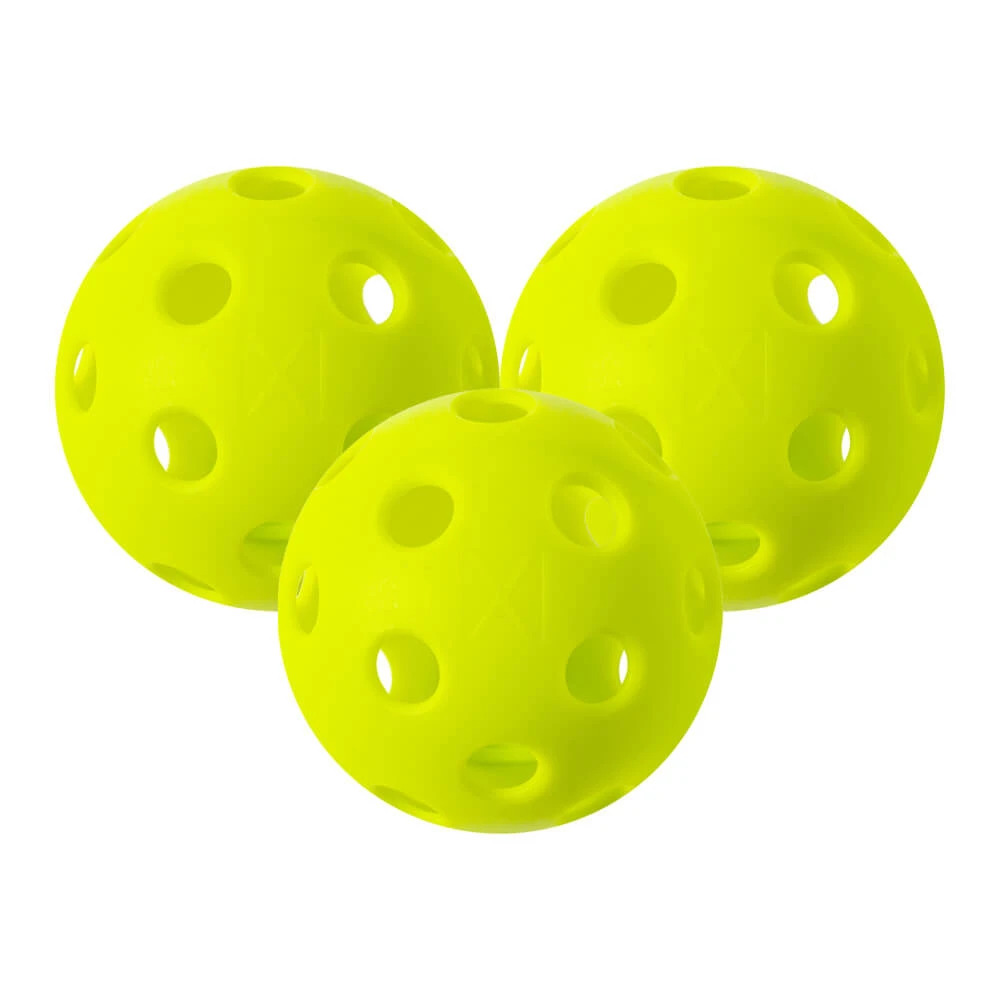
The Franklin X-26, built for smooth indoor floors rather than outdoor concrete. Photo: Pickleball Central.
Long rallies feel noticeably more controllable with this ball than with any outdoor option brought indoors, since the extra drag keeps the pace from running away during fast exchanges. It’s also considerably quieter off the paddle, which matters more than you’d think in a shared gym with multiple courts running at once.
If your club plays primarily on hardwood or polished concrete, this is the ball to standardize on. Bringing an outdoor ball into that environment almost always feels too fast and too unpredictable by comparison.
ONIX Fuse G2: Built to Last
The ONIX Fuse G2 takes a slightly different approach from the Franklin X-26, leaning on durability as its main selling point. It weighs 26.2 grams, close to identical to the others here, and ONIX specifically markets its seam welding as three times more durable than the original Fuse ball. Pricing sits around $3.00 per ball, or roughly $8.99 for a 3-pack. It’s ready to play directly out of the packaging without the break in period some balls seem to need.
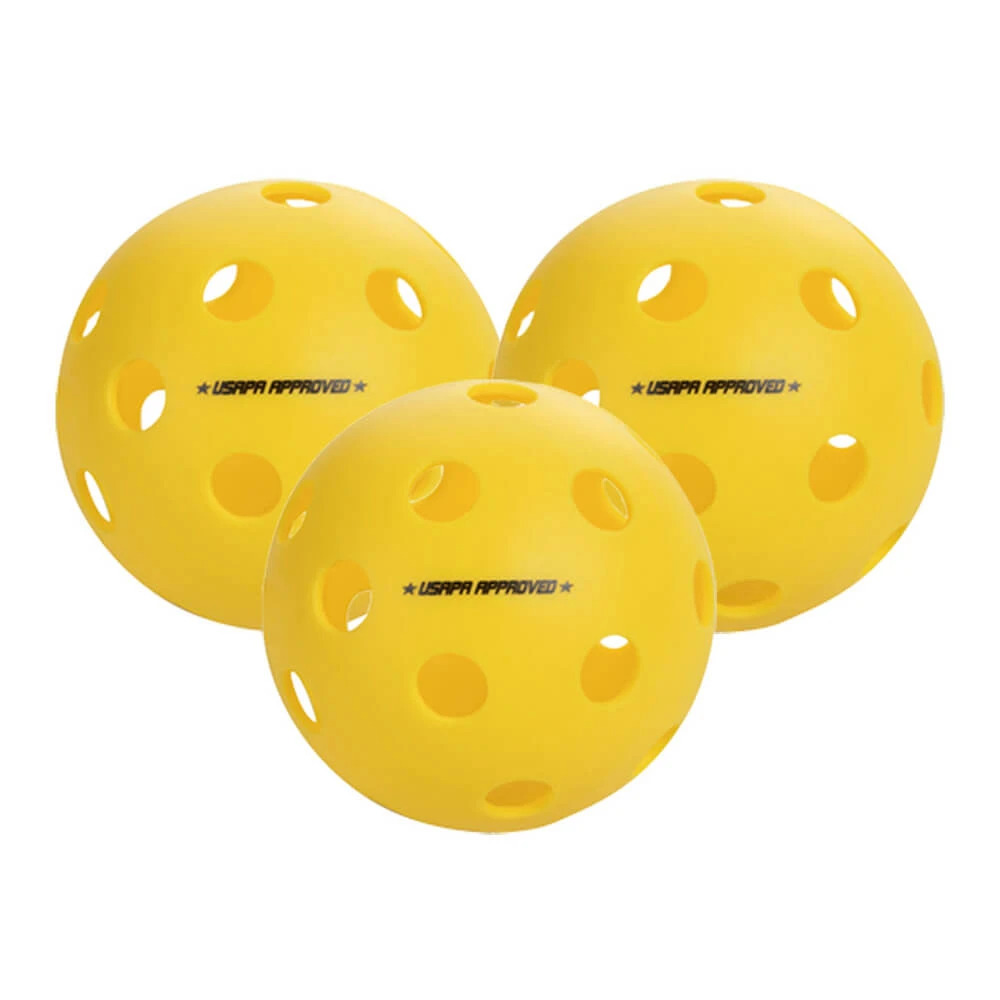
The ONIX Fuse G2, built with reinforced seam welding for added durability. Photo: Pickleball Central.
In testing, the bounce consistency held up well even after a few sessions of hard smashes against the gym floor, with none of the lopsided flight that cracked or worn balls eventually develop. It plays slightly livelier than the Franklin X-26, which some players prefer for a more energetic indoor game. Clubs that go through balls quickly will likely appreciate the extra lifespan more than any single performance trait.
Between the two indoor options here, this is the one I’d choose for a heavily used club setting where balls take a beating every week.
Practical Tips for Buying and Using Pickleballs
Buy in bulk once you find a ball you like, since per ball pricing drops substantially in 12-pack and 100-pack sizes, and you’ll go through balls faster than you expect once you’re playing regularly. Keep separate bags for indoor and outdoor balls so you’re never tempted to grab the wrong one on your way out the door. Replace a ball the moment you notice a crack or a flat spot, since a damaged ball changes its flight in ways that are hard to notice mid rally but will affect your shot placement all match.
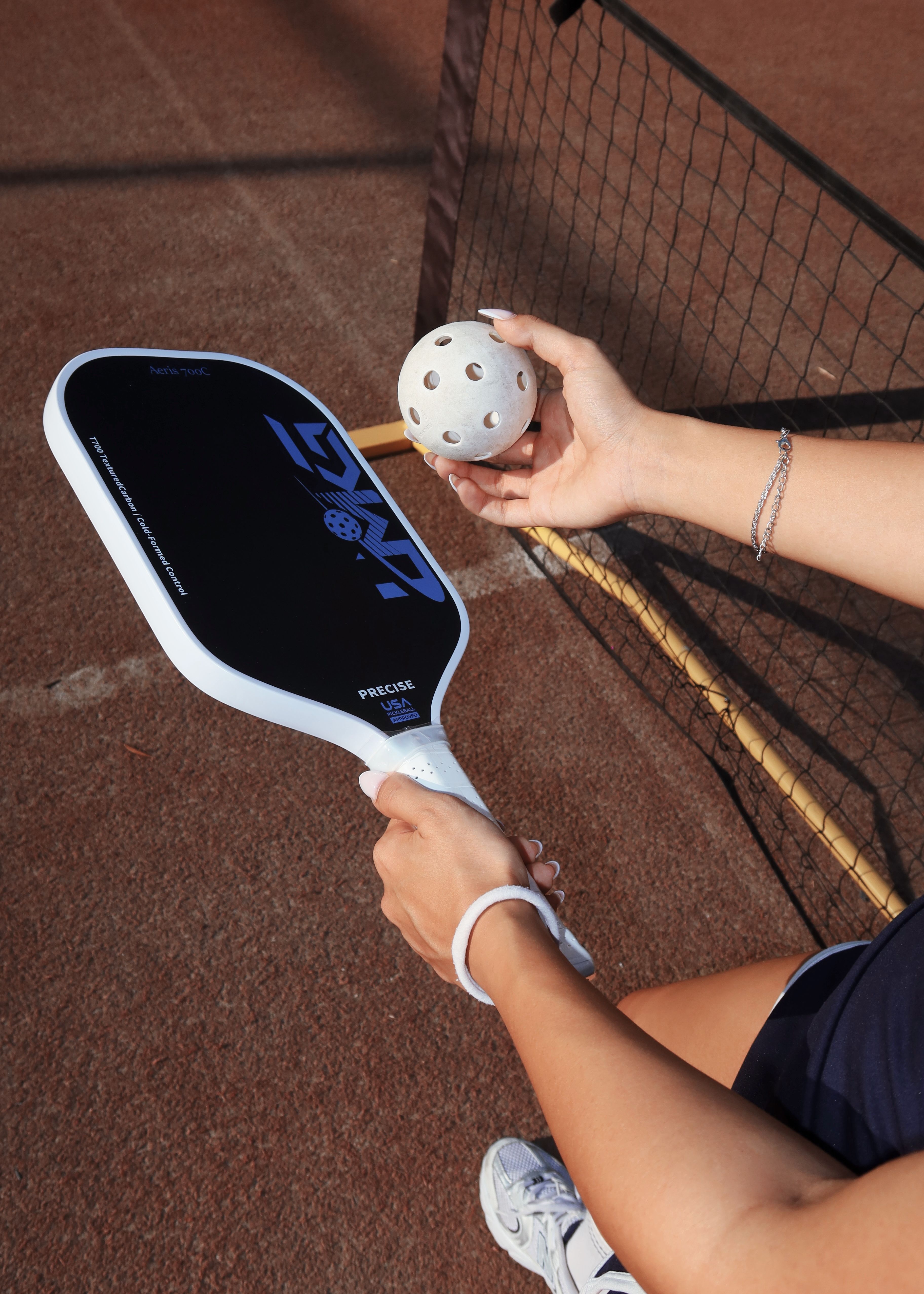
Checking a ball for cracks before a match takes seconds and saves a frustrating game. Photo: Gunel Huseynova / Pexels.
Temperature matters more outdoors than most players realize, so keep a couple of balls in your bag rather than just one, in case conditions shift during a long session. If you’re traveling to an unfamiliar court, ask ahead whether it’s indoor or outdoor and bring the matching ball type rather than assuming. Tournament players should practice exclusively with whatever ball the event uses, ideally for several weeks before competing.
Store balls out of direct sunlight when not in use, since UV exposure gradually makes outdoor balls more brittle over time.
Frequently Asked Questions
Can I use an outdoor ball indoors or an indoor ball outdoors?
You can, but neither will play the way it’s designed to. An outdoor ball indoors tends to feel too fast and bounces unpredictably off smooth floors, while an indoor ball outdoors gets knocked around by wind and wears out much faster against concrete or asphalt. For anything beyond a casual hit, matching the ball to the court surface makes a real difference.
Why do outdoor balls have more holes than indoor balls?
More, smaller holes on outdoor balls reduce wind resistance and help the ball hold a flatter, more predictable flight path over longer distances. Indoor balls use fewer, larger holes to create more drag, which slows the ball down and produces a higher bounce suited to the shorter distances and smooth surfaces typical of gym courts.
How many pickleballs should I own?
Most regular players keep at least a dozen on hand, since balls crack, get lost over fences, or wear out faster than most people expect from something this small. If you play both indoors and outdoors, keeping separate sets for each surface avoids the common mistake of grabbing the wrong type on your way to a match.
Does ball color affect performance?
No, color is purely about visibility and has no effect on bounce, speed, or durability. Bright optic yellow and neon colors are popular simply because they’re easier to track against most backgrounds, especially outdoors against grass or sky.
How long does a pickleball actually last?
A ball used regularly in competitive play typically lasts anywhere from one match to a few weeks before cracking or losing its shape, depending on how hard it’s hit and what surface it’s played on. Outdoor balls tend to crack from impact with hard courts, while indoor balls more often develop flat spots or lose roundness over time.
Final Thoughts
The ball you choose matters almost as much as the paddle in your hand, even though it gets a fraction of the attention in most buying guides. The Franklin X-40 and ONIX Dura Fast 40 cover outdoor play at two different intensity levels, while the Franklin X-26 and ONIX Fuse G2 do the same for indoor courts, and getting this choice right makes every paddle you own feel better. None of these four balls is wrong, but using the wrong one for your actual court surface is a mistake worth avoiding.
If you’ve been blaming your paddle for an inconsistent game, it’s worth checking whether the ball in your pocket actually matches the court you’re standing on. The fix is often cheaper and simpler than a new paddle.
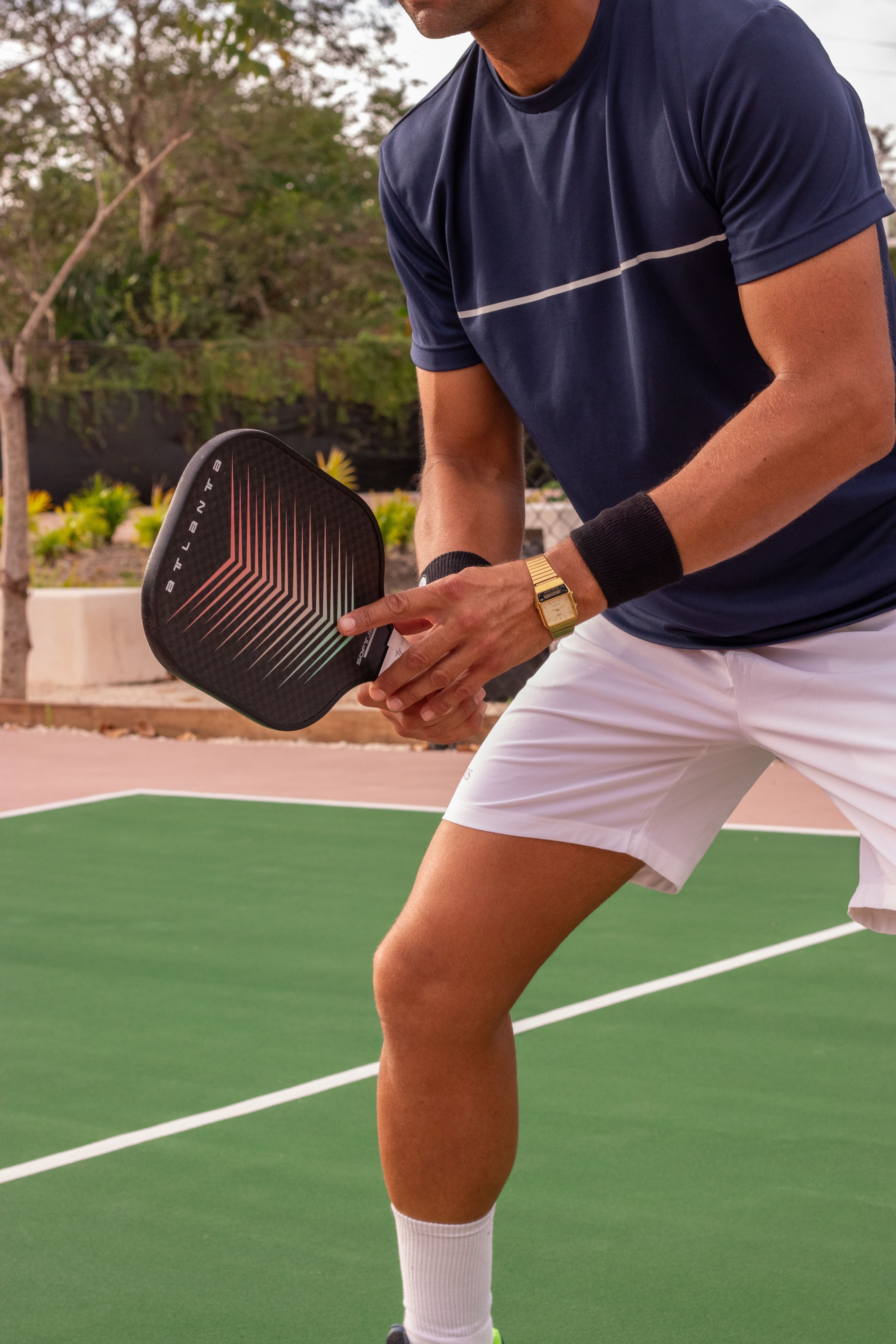
Matching the ball to the court is one of the simplest upgrades in the sport. Photo: Rodrigo Ortega / Pexels.
If this comparison helped, Dink It Ball has more hands on gear breakdowns worth checking before your next purchase.
About the Author
Reuben is a content writer and software engineer based in Manila who picked up a paddle on a whim and never put it down. What started as weekend games at a local court grew into a project testing paddles and gear for players across the Philippines, with hundreds of matches played and dozens of paddles tested so far. His bag holds paddles spanning polymer, foam, and hybrid cores, from beginner friendly options to tournament grade blades.
He tests every paddle in real match conditions, from humid outdoor courts in the high eighties Fahrenheit to faster indoor gyms, before writing a verdict. Read more of his work on Dink It Ball.