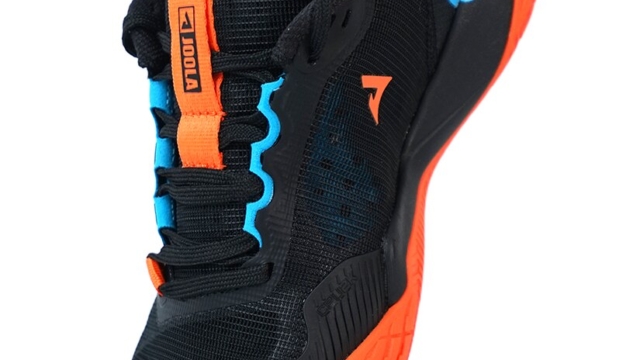
Running shoes are the most common mistake on a pickleball court, and the one that costs players the most. The sport is built on sudden lateral stops, split steps, and quick pivots at the kitchen line, and a shoe made for forward motion simply is not designed to handle that load. Ankle rolls and sore knees often trace back to footwear rather than technique.
Court shoes solve this with a flatter, wider base, reinforced sides, and an outsole made to grip and slide in a controlled way. This comparison covers four popular options from Skechers, ASICS, Franklin, and K-Swiss, each aimed at a slightly different kind of player.
What Actually Makes a Good Pickleball Shoe
Lateral support is the first thing to check, because almost every pickleball movement is side to side. A good shoe has a stiff upper or reinforced sides that keep your foot from rolling over the edge of the midsole. Outsole grip is the second factor, and it differs by surface: herringbone patterns suit most outdoor concrete, while softer, flatter rubber is friendlier on indoor wood and sport court floors.
Weight and fit round out the list. A heavy shoe slows your split step, so lighter models feel quicker at the net, while heavier ones usually trade speed for stability. Width matters just as much, since a narrow toe box that feels fine in a store can pinch badly after an hour of play.
The table below lists the shoes in the same order used through the rest of the article. Prices are the listed retail figures at the time of writing and change often between retailers.
| Shoe | Price | Standout Trait | Best For |
|---|---|---|---|
| Skechers Viper Court Pro 2.0 | $115 | Light feel, strong arch support | Long sessions and comfort |
| ASICS Gel-Resolution X | $129 | Very stable, roomier toe box | Lateral stability and wider feet |
| Franklin ACV Pro | $129.99 | Strong traction, minimal break-in | Indoor and outdoor value |
| K-Swiss Express Light | $115 | One of the lightest, no break-in | Budget friendly speed |
Skechers Viper Court Pro 2.0: Comfort First
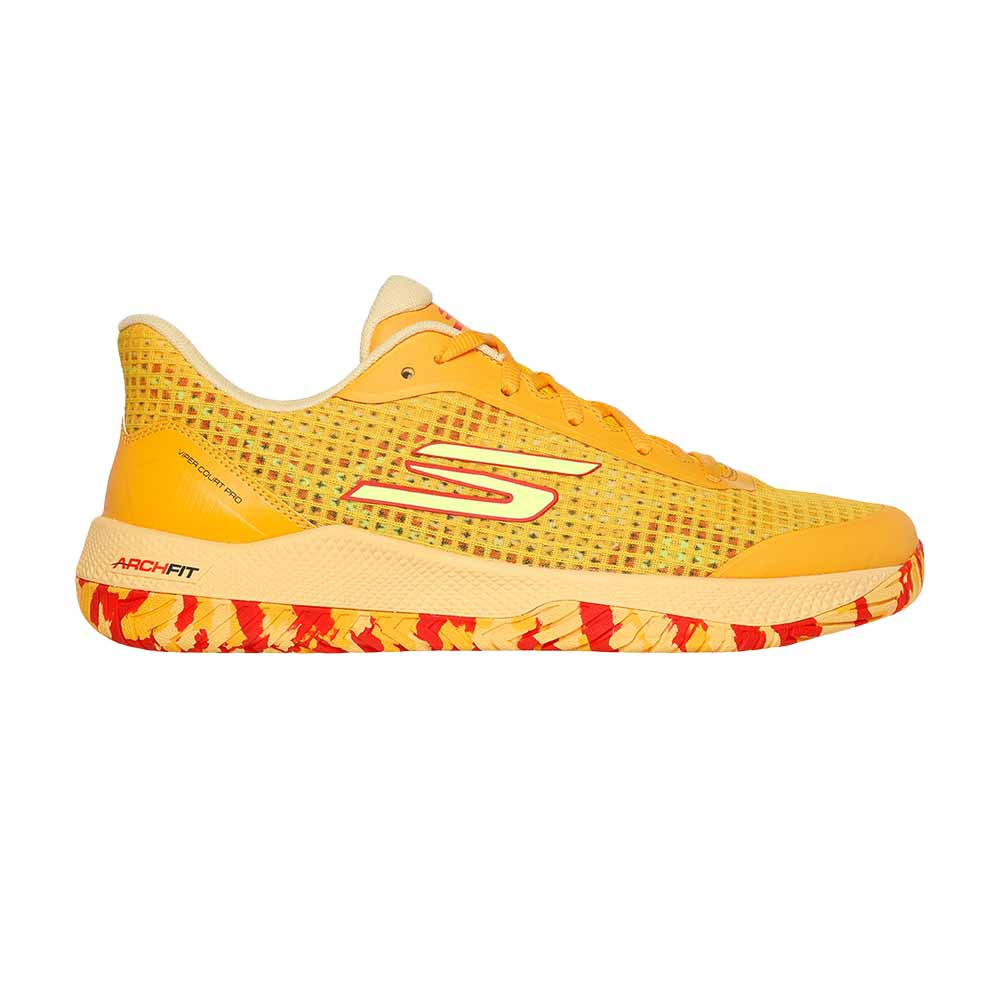
The Skechers Viper Court Pro 2.0 lists at around $115 and is built around comfort. It uses Skechers Arch Fit support and a Goodyear outsole for traction and durability, and it has a light feel that suits players who spend hours on court. Reviewers consistently point to its arch support as the main reason to pick it.
The one practical note is lacing. Players report that you should lace it fully to prevent heel slippage. Once that is dialed in, it is an easy recommendation for recreational players who want comfort without paying premium prices.
ASICS Gel-Resolution X: Stability Above All
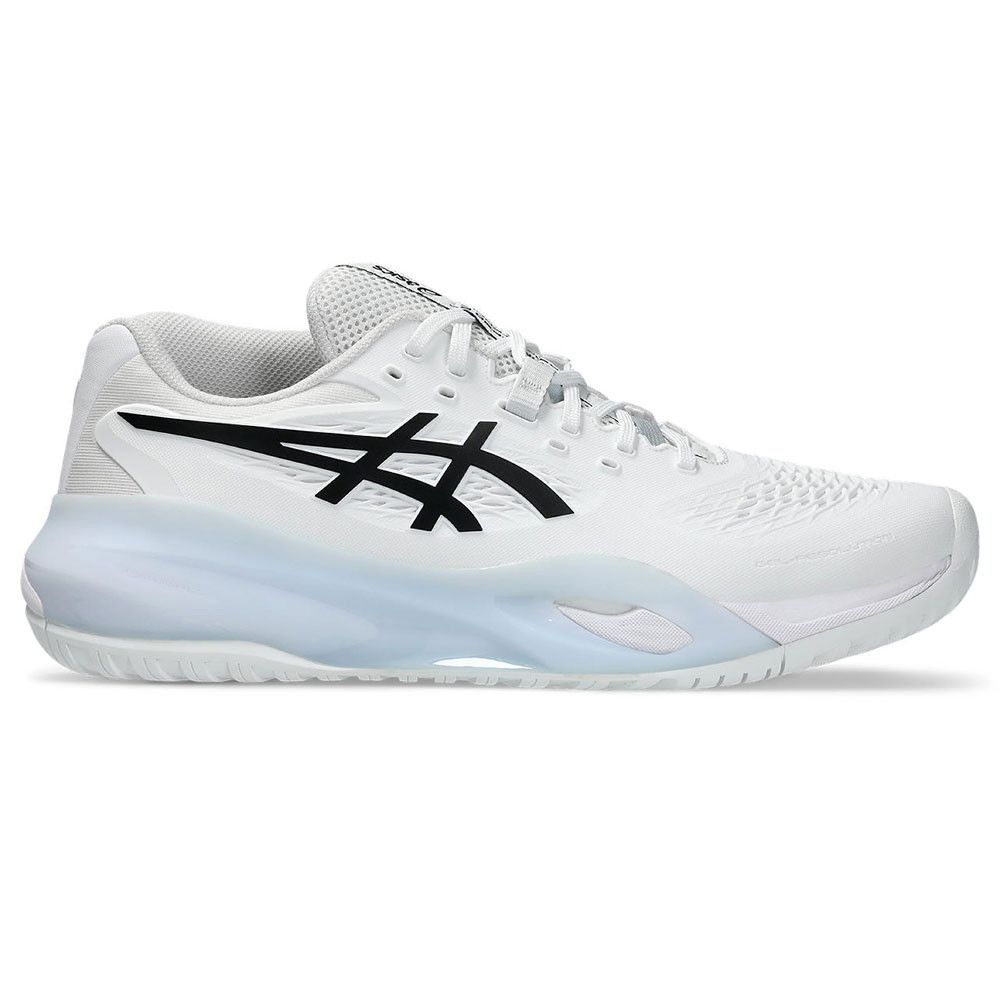
The ASICS Gel-Resolution X lists at around $129 and is the most stable shoe in this group. It is heavier than most pickleball shoes, which is the trade for that planted feel, and it runs slightly wider than previous versions with a roomier toe box that helps lateral movement.
This is the shoe for players who prioritize ankle security over speed, particularly anyone with a history of rolled ankles or wider feet. If you value quickness at the kitchen line more than support, look at the lighter options below.
Franklin ACV Pro: Indoor and Outdoor Value
The Franklin ACV Pro lists at around $129.99 and is one of the few shoes here designed specifically around pickleball movement. It uses a herringbone outsole with a pivot point, a breathable mesh upper, and needs very little break-in. It works on both indoor and outdoor surfaces, which makes it a practical single shoe for players who move between courts.
It runs big, so reviewers suggest going half a size down, and the color range is limited. Neither is a dealbreaker for a shoe with this much versatility.
K-Swiss Express Light: Budget Speed
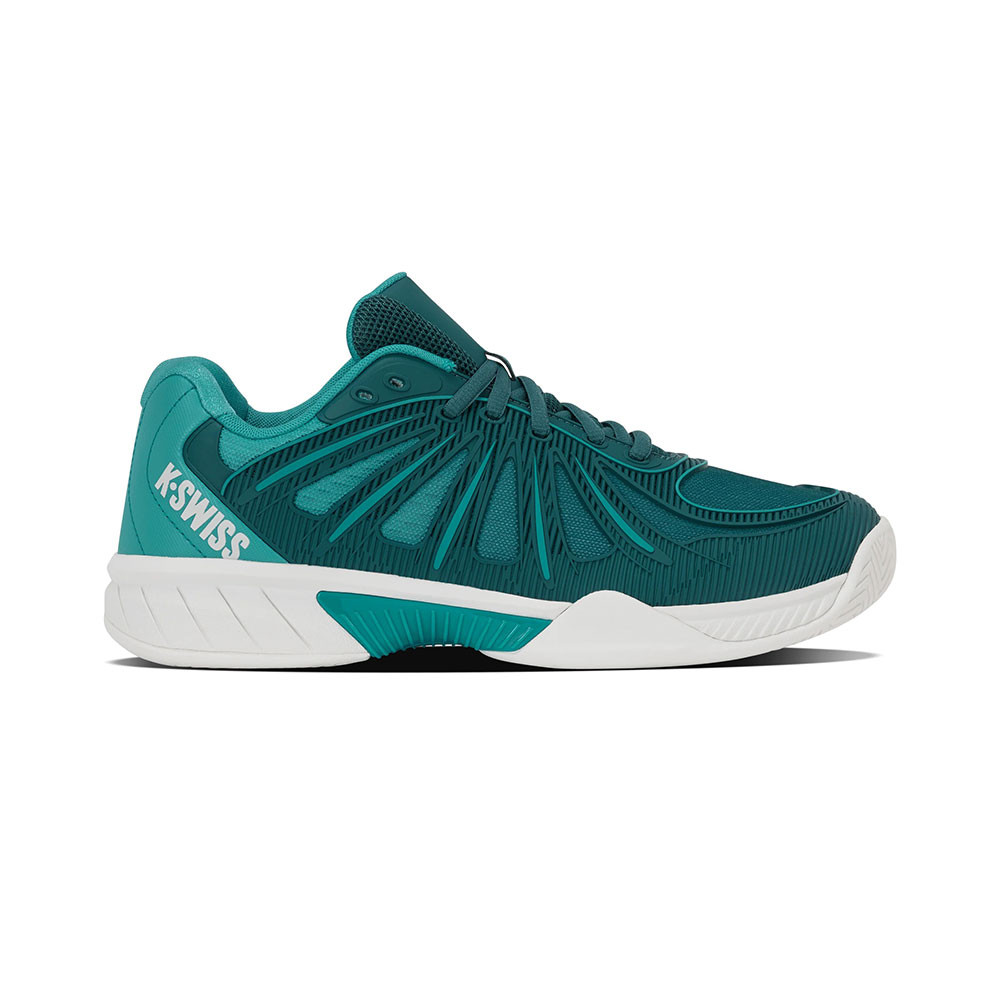
The K-Swiss Express Light lists at around $115 and is among the lightest court shoes available. It has solid plantar support, requires no break-in, and fits a range of foot shapes, which makes it a forgiving first court shoe.
The tradeoff is longevity: the outsole is reported to last roughly 6 to 8 months of regular play, so heavy players should expect to replace it sooner than the others here.
Practical Tips for Buying Court Shoes
Try shoes on in the afternoon, when your feet are slightly swollen, and wear the socks you actually play in. Check how much room your toes have when you push forward, since stopping hard on a tight toe box is a common source of black toenails. Do not use court shoes for walking around town, because everyday wear quickly wears down the outsole edges that provide grip.
Replace your shoes when the tread wears smooth or the midsole feels flat, usually every six to twelve months for regular players. Keep a dedicated pair for outdoor concrete if you also play indoors, since abrasive surfaces will shorten the life of a softer indoor outsole.
Frequently Asked Questions
Can I wear running shoes for pickleball?
You can for a casual hit, but running shoes lack the lateral support that pickleball demands, which raises the risk of ankle rolls. Court shoes are a worthwhile upgrade once you play more than occasionally.
Are tennis shoes fine for pickleball?
Yes. Tennis shoes share the lateral support and durable outsole that pickleball needs, and many players use them. Pickleball specific models are usually lighter and tuned to smaller court movement.
Do I need different shoes for indoor and outdoor courts?
Not necessarily, but outdoor concrete wears outsoles quickly. A shoe used for both will last longer if you keep a separate pair for rough outdoor surfaces.
How long do pickleball shoes last?
Most last six to twelve months of regular play. Lightweight models with softer outsoles can wear faster, so watch the tread rather than the calendar.
Should I size up or down?
It depends on the model. The Franklin ACV Pro runs big, while many ASICS models run slightly wide, so check reviews for the specific shoe and try before you commit.
Final Thoughts
The right shoe protects your ankles and keeps you moving freely. The Skechers Viper Court Pro 2.0 wins on comfort, the ASICS Gel-Resolution X on stability, the Franklin ACV Pro on versatility, and the K-Swiss Express Light on lightweight value. Pair the right shoe with the right ball, and your paddle will finally get a fair chance to perform.
For the ball side of the equation, read our comparison of the best pickleball balls in 2026.